Here’s a thought experiment. Picture a woman who’s two metres tall (about 6ft 6in). Easy, right? Now picture a second woman, standing next to the first, who is a millon times taller: 2 million metres, or 2,000km, tall. I guarantee you the giant you’re imagining is no more than 100 times the size of her neighbour.
Try approaching it
another way. Say the six-foot woman launches a rocket, which travels straight
upwards at 100mph (about the average speed of the space shuttle for the first
minute after take-off). How long do you think you will have to keep mentally
following that rocket before it draws level with the giant’s head? The answer
is 12 and a half hours.
All of which is a rather long-winded way of showing that human brains are rubbish at processing large quantities. If everyday numbers cause a mental power cut in most of us, big numbers trigger a full-on meltdown.
“The crooks already know these tricks. Honest men must learn them in self-defence”
Darrell Huff, How To Lie With Statistics (1954)
‘We send the EU £350m a week’
No examination of number
abuses would be complete without a look at the granddaddy of them all: the slogan
that, along with “Take back control”, arguably swung the EU referendum for
Leave.
On one level, of course, it was just another example of populists making shit up. The true EU membership fee, after the UK received its rebate, was probably at most half that sum (Vote Leave’s Skid Row Svengali Dominic Cummings admitted in a letter dated April 2016 to Sir Andrew Dilnot of the UK Statistics Authority that “£237m per week was the net level of resources being transferred from the UK as a whole to the EU”) (pdf).
But the arguably more
interesting point is why he chose this line of attack in the first place.
The following Twitter
exchange from a couple of months ago (I failed to screenshot before the
inevitable block came) is enlightening.
“We’ll save £350m a week by leaving the EU!” “No, we won’t. The figure on the bus was a lie. The true cost of membership is about half that.” “Well, £175m still
sounds like a lot of money!”
Wait. So £350m a week is too much … and a 50% discount on that is still too much? What’s a reasonable amount then?
This is
what Cummings and co were bargaining on. They knew the exact sums
involved were immaterial; all that mattered was the emotional impact of the
big number. “Eek,
seven zeroes!” Critical faculties switched off, job done.
(Meanwhile, the other prong of Cummings’ propaganda assault – Turkey – was designed with similar intent: “Eek, brown people!” Primal fear of The Other evoked, rational brain bypassed, job done.)
Some of us identified
the flaw fairly quickly. If I arrived in the pub and told you breathlessly that
I’d just spent one thousand pounds, you might raise an eyebrow, but you’d
probably reserve your final judgment pending further information. Namely, what
did I spend it on? A house, a car, a watch, a hat, or a packet
of crisps?
A moment’s reflection,
which is apparently more than 52% of the electorate could spare, would tell you
that the statement Quantity X costs a lot of money is meaningless in
isolation. Before you can judge whether that expenditure is a good idea, you
need answers to the following questions:
Can the buyer afford it? What is this sum as a proportion of their budget?
What do comparable items or services cost?
Is it a reasonable rate? Are others being charged a similar amount?
How much will it cost to get out of the contract?
What exactly is the buyer getting for their investment? Does it represents good value for money? Can the same or better goods and services be obtained elsewhere, for less outlay?
“They said how much money we would save [by leaving the EU], but they didn’t say how much we would lose”
1) The UK’s EU contributions
for the financial year to April 2020, minus rebate and EU funds received, came
to £7.7bn. Total government spending for the same period is predicted to turn
out a shade north of £900bn. So as a proportion of the UK’s overall spending,
EU membership cost less than 1%. If you’re a taxpayer earning £30,000 pa, that
means you’re paying about £43.53 a year towards the cost of EU membership, or just
over a quarter of the TV licence fee. Does £150m a week (£7.7bn/52) feel so
enormous now?
2) To put that £7.7bn
in perspective, the government spends around £190bn a year on pensions (“We
send economically unproductive old people £3.7bn a week. Let’s fund our NHS
instead”), £170bn on the NHS, £110bn on education, £43bn on defence, £15bn on
civil service pay, £600m on running the House of Commons and the Lords,
including £225m on MPs’ and Lords’ salaries and allowances, £67m on the royal
family, and £80m on the Department for Exiting the EU. (Specific, up-to-date
figures are not available for all these areas, particularly when it comes to
the murky warrens of government, so I’m doing some approximating here, but they’re
all in the right ballpark.)
To round off with a
couple of other large-scale operations, the international aid budget stood at around
£15bn a year (until the Tories slashed it), the BBC’s annual spend is around
£4bn year, and membership of the United Nations and the World Health
Organization sets the country back £100m and £10m a year respectively.
Does £150m a week feel so
enormous now?
3) You’ll often hear
Brexiters complaining that “the UK is the biggest contributor to the EU”. Again,
that’s not true; Germany, France and Italy all pay more. Moreover, there’s a
good reason why Britain chips in more than most, which is that Britain is one
of the most populous and richest countries in the EU. If you work out the
contribution per head, ie, divide the fee between us, the UK is bang in
the middle of the field. Norway, which isn’t even a full member of the EU and
has no say in passing its laws, pays in more per person than the UK does.
Besides, in most
societies, taxation is organised such that richer people pay more than poorer
people. It’s hardly crazy to suggest that the same logic should apply to
economic blocs.
Does £150m a week feel
so enormous now?
4) Calculating the economic cost of extricating Britain from the EU is fiendishly complex, because it touches on so many areas of government, business and personal life, so many of the costs are yet to be borne, and we can’t know for sure how things would have panned out if we’d stayed. But if we’re lacking all the pieces of the jigsaw, we have enough side and corner segments to give us an approximate idea of its size.
(There’s
bound to be a bit of double-counting going on here, but I strongly doubt
whether that will amount to more than the stuff I’ve missed. Speaking of which,
if
you’re knowledgeable in this field and you find anything missing or startlingly
amiss, please point it out – politely – in the comments, and I will amend ASAP.)
Paying 27,500 extra civil servants to plan and execute Brexit-related changes: £825m a year (conservatively assuming a salary of £30,000 per civil servant) (plus recruitment costs, benefits, pensions)
By the end of 2021, the government estimates that it will have spent £8.1bn just on making Brexit happen. And the haemorrhaging of cash isn’t magically going to stop then; businesses will still need support, negotiations for a new trading relationship with the EU will need to continue, and the government will likely have a lot of expensive court cases to fight.
Plus, of course, the loss
of our freedom to live,
study, work and retire in 31 countries, which to my mind is incalculable.
Finally, falling upon the
nation as a whole is a hotchpotch of unknown and unquantifiable losses,
which while impossible to nail down exactly, will without doubt all be sizeable
negatives: the talented immigrants put off from coming to the UK; shortages of
labour, skilled and unskilled; the brain drain of EU citizens and disillusioned
Remainers leaving because of Brexit; the effect on the mental health of
millions; the dire consequences for the economy of having a fanatical,
incompetent, mendacious, anti-intellectual far-right government in charge; the
social costs of a divided and disinformed citizenry; all the governmental,
parliamentary and civil service time wasted on Brexit; the value of EU laws on
workers’ rights, the environment, and health and safety; the huge blow to
Britain’s global reputation and soft power.
All these factors feed into probably the best indicator of a country’s material wealth: its gross domestic product (GDP). When a country is spending so much time and energy on negotiations, and unnecessary infrastructure, and form-filling, and stuck in queues of lorries, it has less time and energy to make things. Meanwhile, tariffs and non-tariff barriers never fail to reduce the volume of trade.
Estimates of the long-term hit to the UK’s GDP vary from 2% to 9%, with only Patrick Minford’s discredited Economists for Europe group predicting any improvement, and that at the cost of the UK’s manufacturing industries. Two per cent of GDP is £42bn per year. Nine per cent is £189bn.
Does £150m a week, or
£8bn a year, feel so enormous now?
5) Now to the crunch question.
What did the UK get for its money? Even if not everything about the EU
was desirable, some of it was clearly worth having, or the UK and every other
member state would have quit long ago. Can all these bounties be sourced elsewhere?
If so, at what price?
Here’s a list (far from
exhaustive – again, please pipe up with any glaring omissions) of some of the basic,
and not so basic, functions and programmes provided by the EU.
Frictionless trade, frictionless travel, trade negotiations, Horizon 2020, Natura 2000, Marie Curie programme, EHIC, Erasmus education programme, Erasmus+ sports programme, Galileo, Euratom, European Arrest Warrant, European Medicines Agency, European Banking Agency, European Youth Orchestra, regional development funds, research grants, pet passports …
Some of this is plain irreplaceable. The UK has already given up on developing its own alternative to Galileo, because it has neither the money nor the expertise. Erasmus and Erasmus+ are dead and gone, with only the spectre of a promise of a … UK-only version to succeed it. And if we want to be part of Euratom and the European Arrest Warrant again, we’ll just have to swallow our pride, beg for acceptance, and pay, doubtless over the odds, for the privilege.
Instead of a plaintive whine of “Lies!”, the Remain campaign’s response to the Bus of Bollocks should have been a bigger bus (Megabus? MAGAbus?) emblazoned with the slogan “£150m a week? Less than 1% of GDP? For all this? Bargain!”, and a word cloud listing all the positives of membership listed above.
Not as catchy, of
course, but unfortunately for the good guys, the truth rarely is.
Next time: I dunno, probably something about surveys and comparing apples and oranges.
There are plenty of maths wizzes out there, of course, and most of us, when the necessity arises, can perform basic calculations. It’s just that these operations don’t come naturally to human beings. For most of our species’ history, there was little need for any more mental arithmetic than “one/two/many” and “our tribe small, their tribe big”.
If your brain isn’t adequately trained, maths requires serious mental effort, which most of us will go to any lengths to avoid. As a result, when confronted with a differential equation or trigonometry problem, we curl into a ball and whimper, “Oh, I’m rubbish with numbers!”
So when it comes to statistics, just as with molecular biology and nuclear physics and translating ancient Phoenician, we tend to leave things to the experts. The catch is, the main conduits of this knowledge from professors to public – the media – are as clueless about maths as we are.
As a veteran of journalism of 25 years, I can let you in on a scary secret: reporters – even reporterswho are specifically charged with writing about business and science and trade – rarely have any sort of background in maths or economics. Most of those who aren’t media studies or journalism graduates studied humanities (English, modern languages, history, politics, law), and the same goes for the subeditors and desk editors whose job it is to check their work. In the average newspaper office, you can count on the fingers of one hand the number of people who tell an x-axis from a y-axis, a percentage point from a percentage or a median from a mean. And TV interviewers, judging by their performance before and since Brexit, are no better.
Most of us aren’t too bad at figuring out when people are trying to mislead us with words or facts or pictures. But because we’re useless with numbers – and the gatekeepers are too – we’re much more susceptible to numerical shenanigans. Statistics can be massaged, manipulated, misrepresented and murdered as easily as words can. And it is this human weakness that the populists are counting on.
What I want to try to do in the next few posts is look at some of the more common examples of statistical chicanery that you will come across, in the hope that at least a few more people can start calling out the bastards who are trying to rip our society apart. (If I miss any obvious ones, please add your suggestions in the comments.)
(If you have no time to read on, I beg you to consider buying or borrowing a copy of Anthony Reuben’s Statistical: Ten Easy Ways To Avoid Being Misled By Numbers (Constable, 2019). It’s clear and concise and bang up to date, covering Brexit and Trump (but not coronavirus), and an easy read even for the fraidiest maths-phobe.)
The truth, the half-truth, and nothing like the truth
Sometimes, of course, as our present government demonstrates on a daily basis, populists are perfectly happy to forsake real numbers for entirely imaginary ones.
The chief drawback of straight-up untruths, of course, is that they’re easy to check and challenge. Most of the fictions above were exposed as such fairly quickly (though not before they’d burrowed their way into a few million poorly guarded minds). A far more effective way of misleading people is to present numerical information that is not incorrect, per se, but which tells only part of the story. To offer up, if you like, a fractional truth.
11/10 for presentation
If you’ve ever used a dating app, chances are you didn’t upload as your profile picture that zitty red-eye selfie you took in the Primark fitting room. You hunted through old snaps, maybe asked a camera-handy friend over for a mini-shoot, possibly even added a flattering filter, did a bit of Photoshopping, and judiciously cropped out the boyfriend. In short, you went to reasonable (or extreme) lengths to paint yourself in the best possible light.
This process – statisticians call it “cherry-picking”, but I prefer “Instagramming” – is the populists’ most common way of abusing numbers (it can also be applied in reverse, to show something in its worst possible light). If the absolute figure (say, 17.4 million) is the most impressive, use that. If the percentage best advances your case, use that (but if it’s, say, only 51.9%, poof! It’s gone). If neither of those works to your advantage, what about the trend?
Which brings us to our
first example.
‘Trade with the EU is declining’
OMG! Trade with the EU is declining?! Tomorrow, our trade with them will be nothing! We must end all commerce with them now!
That’s clearly the reaction this claim was designed to elicit, and there were enough people lacking either the ability or the inclination to check it that it succeeded in its goal.
While it wasn’t one of the primary arguments advanced by the Leave campaign, it’s a drum that rightwing politicians, commentators and newspapers have been beating since day one. It was also one of the central planks of the “failing EU” narrative, which you still hear to this day.
Still, if the UK’s
trade with the EU is shrinking, surely it’s a point worth making?
The first problem here is that the statement is not true. UK trade with the EU has grown steadily since we joined, as even House of Commons figures show:
(I couldn’t find an HoC graph covering the whole period, but the figures are all out there.)
Which shouldn’t come as
a colossal surprise, as these are our closest neighbours, with whom we have enjoyed
ever closer ties for almost 50 years. Of course trade with them is always
going to grow.
So what is Thickinson wittering on about? It turns out what she meant is that the UK’s trade with the EU as a proportion of its overall trade has been decreasing (slowly) since 2000. Trade with the EU is still growing, but trade with other countries is growing faster.
(The trend was bucked
in 2019, when the share rose to 46%, which is why they bit their tongues on
this one for a while.)
So, not exactly a precipitous decline, but if trade with the EU as a proportion of overall trade is shrinking, shouldn’t we be a little worried?
Well, no, for two
reasons.
First, trade outside the EU has increased precisely because of EU trade agreements with other countries and blocs, such as Israel, Egypt, South Africa, Canada, Mercosur and South Korea. In other words, trade with the EU has (proportionally) fallen because of trade through the EU. (For the benefit of those who have been living under a rock for five years, the UK will cease to be a signatory to all those deals as well as its EU agreements from January 1 2021. Sure, we might renegotiate some after exit, but there’s no guarantee of that, and even if we succeed, they’ll almost certainly be on less favourable terms, as the UK now has a lot less negotiating clout than it did as part of a bloc of 510 million people.)
Second, the countries with which the UK’s trade is growing more quickly are on the whole much smaller; they are developing countries. Trade with developed nations, and with nations with which trade relations are already well established – such as those in the EU – is never going to grow particularly fast, because it’s all grown up already.
Let’s take, as a hypothetical example, the nation of Arsendia. If you were to tell me that trade with Arsendia had increased by 1,000% over the past year, while trade with the EU 27 had grown by only 0.2%, I’d think, “Whoa! Maybe Arsendia is the future!” But if I then discovered the somewhat relevant supplementary information that trade with Arsendia this year was worth £110, compared with £10 in 2018-19, while the value of trade with the EU stood at £668bn, I might come to a slightly different conclusion.
To take a real-world example often cited by Brexiters, over the last 20 years, trade with Commonwealth nations has increased by a factor of more than three.
Meanwhile, over the same period, the value of UK trade with EU countries has merely doubled.
Again, pretty much what
you’d expect when countries tend to do most of their trade with their
neighbours, and most Commonwealth countries are half the fucking world away.
Adversely comparing the
rate of growth of trade with established trade partners with the rate of growth
of trade with tiny, brand-new buddies is the equivalent of a father taking a
tape measure to his 18-year-old son and 14-year-old daughter, then saying,
“Sorry, Kev, but Lisa’s grown three inches this year and you’ve barely sprouted
at all, so I’m afraid she gets all the attention now.”
This is a common statistical misapprehension called the base rate fallacy, or ignoring the baseline. Expect it to make a reappearance, as it is one of the populists’ favourite subterfuges.
(The United States’
share of global GDP is declining for the exact same reason – less developed
nations are eating up the pie because they have more scope to expand quickly –
but you won’t find any of the Brexit zealots shouting about that.)
Let’s try to boil this down into something so simple that even the average Tory MP can understand it. Trade with the EU is growing. Trade with some other, much smaller countries is growing a little faster, because they have more capacity for growth, but that’s unlikely to continue for long. The EU, the UK’s closest neighbour, is, and will always remain, the UK’s most important trading partner.
A recurring theme of these posts is going to be: whenever you see pat statistical statements like Dickinson’s, by politician or commentator or journalist, they are not giving you the full picture. It’s not necessarily their fault – there isn’t enough space. But the space shortage gives them an excuse to Instagram the data; to present only the facets of the information that best supports their agenda.
For a full understanding of the situation, you need to a) read beyond the headline or tweet, and ideally trace the source of the data; b) do further research, or at least read some rebuttals; and if neither of those is possible, c) ask questions. In the particular case of “Trade with the EU is declining’”, the relevant questions would be: “What level is it declining from?”, “How fast?”, and “Is this trend likely to continue?”
As we’ll see time and again in the coming posts, without the proper context, numerical information is useless. However great the emotional impact on you, you must not draw any conclusions until you see the wider picture. If you can’t overcome your fear of numbers, you must at least stop meekly accepting them.
In the time of coronavirus, the ability to tell good info from bad is more vital than ever. How do you sort the gold from the garbage?
Minds greater than mine have been grappling with the reasons for society’s gaping divisions for years. Convincing cases have been made for the role of shorter attention spans, echo chambers, smaller families and spoiled kids and “me” culture, inequality, consumerism, the rise of lowest-common-denominator infotainment at the expense of grown-up news.
But from my perspective – a language graduate who has spent 30 years working in media and communications – the main problem is bullshit.
As individual, ephemeral human beings, we can’t possibly find out all the information we need at first hand. We have to rely on input from other sources: parents, teachers, friends, newspapers, TV, social media. But a lot of that input is contradictory. Some sources are clearly more reliable than others. In the time of coronavirus, the ability to tell good info from bad is more vital than ever. So how do you sort the gold from the garbage?
Not content with waging economic warfare on innocent civilians, Putin’s goons have now upgraded to biological warfare.
In the SnapChattin’, TikTokin’, Lyftin’, Zoomin’, Zooskin’ 21st century, whenever we come across a piece of new information, we tend to respond in one of two ways: automatic belief (“Yeah, that sounds about right, retweet”) and automatic disbelief (“Bollocks, obviously biased/brainwashed/stupid, block”).
That’s your system 1 brain – your primeval, emotional, semi-automatic brain – barging to the front and bellowing, “Don’t panic, everyone, I’ve got this, piece of piss,” when you should, it hasn’t and it isn’t. New information is precisely what your system 1 brain sucks at.
If you want to navigate your way through the morass of conflicting input, you’ve got to cast off this binary good/bad mindset, and prod your system 2 brain into activating a process called scepticism.
Scepticism (from Greek skepsis,
“inquiry, doubt”) involves suspending your belief and disbelief and looking at
things neutrally. (That’s as distinct from cynicism, which is closer to the
wholesale rejection of everything.) Scepticism means checking, comparing,
investigating – essentially, asking questions. And the questions you need to be
asking when you encounter new information you find fall into three categories: medium,
message, and marketplace.
Medium (the source, or context)
Believe it or not, there was a time not so long
ago when most media, and even most politicians, could broadly be trusted. They
might screw up; they might have vague ideological leanings one way or another.
But they’d rarely blatantly tell you, with a straight face, that black was
white or up was down.
Then the cutthroat chase for advertising revenue and votes and clicks began, leading to a rapid erosion of standards. Formerly august news organs gave us the Hitler diaries, the Sun’s reporting of the Hillsborough disaster, phone hacking and the fake Abu Ghraib torture photos, and trust in the “mainstream media” withered away. At the same time, ever larger numbers of news organisations fell into the hands of unscrupulous, openly partisan kleptocrats, who whittled the concept of editorial independence to the bone.
Paradoxically, this paved the way for even more unreliable purveyors of “news” – thinly disguised state-sponsored propaganda outlets, contrarian tweeters and YouTube demagogues – who snapped the bone clean in two. Accountable to no watchdog, bound by no editorial code, subject to no scrutiny, untouchable by law, never compelled to publish corrections or give right of reply, they used the shield of “free speech” to publish what they goddamn pleased. The increasingly erratic, sometimes biased, but still mostly principled news organisations had been abandoned in favour of shamelessly partisan hucksters.
In
theory, it’s wrong to dismiss information purely on the basis of its source. That’s the crux of the ad hominem fallacy: it’s logically unsound to state that someone’s character or history has any bearing on the value of what they say. Just because Tony Blair says two plus two equals four, doesn’t mean the real answer is nine.
But
in practice, we don’t have the means to verify every assertion. And some
individuals and organisations have such abysmal track records with the truth, and such transparent agendas, that it is now not just permissible but a damn good idea to inspect the messenger as carefully as the message.
So the first thing you should do when you come across new information is check where that information came from. If it’s an article, find out who owns the newspaper or website. Are they widely trusted? Do they have a clear political agenda? Is all or most of their output devoted to a narrow range of subjects? (How can anyone who stumbles across one of those cesspit Twitter accounts that consist of nothing but retweets of negative stories, real and fabricated, about Muslims, really think they’re curated in good faith?)
If you’re looking at a post on a random social media account, check the author’s bio. Does it seem authentic? Does it mention where the story came from – the original source (the urtext)? If not, place it firmly in the holding category labelled “DODGY AF”. In the absence of verification, a news “story” is just that: a fable.
If you can find the ultimate source, ask the same questions you would of a news organ. How long has the platform been around? Is it approvingly cited by other respected media outlets?
Now do your due diligence on the writer, if one is credited. What else has this person written? Do they have any experience of or expertise in the field they are writing about? What are their credentials other than a glib turn of phrase and a cool byline pic?
Reminder: columnists are commentators. Radio shock jocks are commentators. Vox-popped pensioners in seaside towns who voted for Brexit are commentators. Representatives of thinktanks are commentators. Populist politicians, because they listen only to the advice they want to hear, from the lickspittles they surround themselves with, are no better than commentators. And commentators are not experts. They might have a way with words, but they have no such dominion over facts; they deal in opinions, and those opinions are often based solely on what sounds or feels good.
If we’re talking about an epidemic, I want to be hearing from epidemiologists. If we’re talking about international trade, I want to be hearing from economists. Not from failed fucking fashion students.
If you can’t quickly establish the identity, background and financing of a source, then suspect (but don’t assume) the worst. No reputable media organisation has any reason to withhold where their money comes from – if you’re acting on behalf of private interests, then you’re not acting in the public interest – and most journalists would happily take credit for a fart at a funeral.
Lastly, is your source Donald Trump? Well, if you’ve decided to give the slightest credence to that 50-faced, triple-chinned, flint-hearted, atom-brained, snake-tongued, gossamer-skinned, matchstick-spined, lily-livered, mushroom-cocked lardass, then the chances you’re reading this – or indeed anything – are infinitesimal; but in that vanishingly unlikely event, know this: Trump’s mis- and disinformation has already killed people, and may yet kill tens of thousands more.
Message (the story, or text)
The focus of your inquiry, of course, should be on the information itself. Putting the content aside for a moment, you can garner some clues from the presentation. Is this a polished, professional product, or does it feel … tossed off somehow?
Are the spelling and grammar of a high standard? (Again, it’s a mistake to write something off solely because of a stray “your” for “you’re”, but if someone is sloppy with something as simple as an apostrophe, it does raise a question mark over the accuracy of their statements.)
Is the tweet or article or passage of speech delivered clearly, accurately and succinctly, with specifics rather than generalisations? Are the words all used in their correct senses?
Is the use of language fresh and original, or cluttered with clichés and buzzwords? Is the meaning clear and unambiguous? Does the author or speaker illustrate their point with relevant examples? Does the piece contain any obvious inaccuracies, or things you know or suspect to be untrue? Is it internally consistent?
If the author uses statistics, are they sound? (I know it’s hard for those without the appropriate background to rigorously examine any particular numerical claim. And unfortunately, since even most trained journalists and interviewers don’t know their bell curves from their bell-ends, they’re not often a great help either. My next post will deal with a few of the most common abuses of statistics.)
Have any of the people mentioned been approached to give their side of events (this is regarded as good practice by traditional news outlets)? Have any dissenting voices been quoted? Has the background to the developments been fully expounded?
If there are any pictures or video accompanying the story, are they attributed to anyone? (Photographers and filmmakers, even amateur ones, are no shier about taking credit for their work than writers.) Has this picture or video been used elsewhere, and if so, are there any differences between the two versions? If not, has it independently been verified as authentic?
Yep, they tried to claim that Obama was a Black Panther.
Now look more closely at the language used. Is the piece relatively free of adjectives, adverbs and otherwise emotionally loaded words? It is a reporter’s job to tell readers what has happened, not what opinion to have on what has happened; they’re reporters, after all, not explainers or influencers. When someone is introduced as “terrorist sympathiser Jeremy Corbyn”, you can be fairly sure you’re not listening to a neutral voice.
Good news organisations take great care to draw a thick line between objective news reporting and subjective interpretations of the news. Opinion pieces are clearly badged as such, and published in a separate section of the paper or website.
But bad practice is proliferating, and more and more media outlets, particularly those under the control of moguls, are beginning to see as their duty as being not to inform, but to influence. They, the openly partisan “news” operations funded by God knows who and self-appointed champions of truth like Tommy Robinson and Paul Joseph Watson have abandoned all pretence of balance and neutrality.
Good news reporting is not fun or edgy or stylish or provocative; it is dry. Functional. Dull, even. The text should have no subtext. Scroll to the end for some recent examples.
If you don’t have time to go through this rigmarole every time you come across new information – and let’s face it, you don’t – one little short cut will often point you in the right direction. Read the story, and re-read the headline. Now do your best to consider this objectively: does the headline accurately reflect the content of the story?
Once upon a time, headlines had a single purpose: to pithily summarise the words beneath it. But as the media ecosystem became more competitive, headlines evolved. Accuracy was no longer enough; they had to be quirky, grabby, funky. The Sun enjoyed some success for a while by crowbarring in terrible puns (but trust me, guys, that era is long past). Meanwhile, the Mail (and all newspapers, to some extent) got round the problem by stretching, or sometimes breaking, the truth. Take this gem from last August.
If you read the article, the reasons for the billionaires’ departure are, in fact, purely the opinion of a single lawyer – and her exact words are, “Brexit uncertainty is driving out many of the wealthiest non-doms … The prospect of a Labour government is also very unappealing to high net worth people.” So Corbyn isn’t even mentioned, and fears about Labour (in the opinion of this solitary lawyer) are only a secondary factor in capital flight. The headline grossly misrepresents the article, to the benefit of the Mail’s anti-left agenda.
Much as I hate to be even glancingly fair to the chuntering ninnyhammer that is Daniel Hannan, his recent wankpiece for ConservativeHome, headlined “Alarmism, doom-mongering, panic – and the coronavirus. We are nowhere near a 1919-style catastrophe”, wasn’t quite as irresponsible as it first seemed. The text actually reads, “You’re unlikely to die of coronavirus,” which is quite true – if perhaps not the most useful message to be sending to society at this time.
But to return to being deservedly harsh on the chuntering ninnyhammer that is Daniel Hannan, he then chose to tweet the following link to his own story, with a headline of his own devising that said something completely different, purely in the interest of harvesting more clicks. Instead he harvested widespread vilification, and deleted the tweet.
Just before the 2016 EU referendum, InFacts did a round-up of the most misleading stories on the issue published in the rightwing press. In most of the cases, the offence involved not an outright untruth, but a duplicitous headline.
But the last word in headline shenanigans goes to this Express story from 2016, to which I dedicated an entire post (and for which trouble I was threatened with legal action). Accurate headlines are more important today than they’ve ever been because much of the time, people simply don’t read any further – and even when they do, the headline is what they take away with them.
One more little thing to look out for: if what you’re reading is online, has the author provided any external links to something that might corroborate it? If someone believes their information is legit, they’ll be happy to share their source. (It should go without saying that links to opaque websites with clear political agendas don’t count.)
The marketplace (the metatext)
So, you’ve carried out a full background check on the potato salesman. You’ve examined his potatoes. Now you need to check to see what other consumers are saying about his potatoes, and how rival tradesmen’s potatoes compare.
First, look to your fellow spud seekers. What rating have people given the merchant on ChipAdvisor? If it’s a tweet, what are people saying in the replies? If it’s an online article, what are they saying in the comments underneath? If it’s an interview, did the interviewer challenge the remark, or ask any follow-up questions?
One-word responses can be safely ignored. “Bollocks”, “Nonsense”, “Twat”: that’s just the opposing side’s system 1 brigade reflexively rubbishing the point because it threatens their world-view. Pay no more heed to those trying to dismiss the article with reference to the platform or writer. “Typical Remoaner”, “You expect me to believe something published in the Guardian?!!”, etc.
The comments worth considering are the detailed, level-headed, rational ones: people pointing out factual errors, highlighting contradictory evidence, logical flaws, providing relevant context. Pay special attention to those who can actually back up their points with evidence from a reputable third-party source. Do these responses, individually or collectively, cast any doubt on any of the claims in the original article or post?
Now consider the rival salesmen. If there’s any substance to a story, then the chances are, other individuals or news outlets will have picked up on it. So hunt down some other versions. (Word for word repetitions don’t count. What you’ve found there is not a separate source, but one source copying a second one, or two sources copying a third, which suggests an orchestrated propaganda campaign rather than an independently verified scoop.)
Now, how reliable is this source? Is its information usually of high quality? Once you’re satisfied that it has no connection with the first source and upholds basic journalistic standards, compare the two takes. Do any of the details in the new version contradict any of those in the first? Does it omit any details, provide any additional context, or interpret them differently? Why might that be?
Let me stress: none of these red flags, in and of itself, is sufficient reason to dismiss any piece of information outright. But each one should push the needle on your bullshit-meter further to the right.
I know this seems like an awful lot of work do to just to establish some approximation of the truth; but the truth is under attack as never before, and it’s the only weapon we have short of actual weapons against the dark forces of illiberalism and authoritarianism. And while Finland’s response to fake news has been to launch a nationwide campaign to educate and protect its citizens, their British counterparts have instead chosen to become its most prolific purveyors.
The task of saving democracy falls to you and you alone.
Starmer chameleon
Now let’s put those principles into practice and examine the different approaches of various media outlets to the same news item. On the day I went out to mass-buy the papers, April 4th, one of the main non-coronavirus stories was the news that Keir Starmer was poised to win the Labour leadership election.
Guardian: Keir Starmer poised to be announced new Labour leader
(900 words, page 27 of 35 news pages) Thrust of story: Starmer likely to win, Corbyn supporters fear they will be purged Introduced as: Keir Starmer Referred to subsequently as: Former director of public prosecutions, shadow Brexit secretary Background/context: Age (57), election defeat, antisemitism inquiry, forthcoming NEC elections, efforts to unify party wings, likely shadow ministerial appointments Other people cited: Unnamed allies of Starmer, unnamed allies of Corbyn, one former Corbyn aide, Tulip Siddiq, associate of Rebecca Long-Bailey Subjectivity: “Devastating 80-seat defeat to Boris Johnson” Errors: “After … an ongoing inquiry”, incorrect dashes, “Starmer’s had successfully targeted” Bullshit factor: 2
Daily Mail: Sir Keir and a question of cowardice
(2,700 words, p32/45; badged as “special investigation”) Thrust: Starmer has not done enough to combat antisemitism in the Labour party, according to several conversations with unnamed party sources and a cursory analysis of 340 online articles Introduced as: Party figure more moderate than Jeremy Corbyn Referred to subsequently as: Shadow Brexit secretary, hot favourite to succeed Corbyn, Sir Keir, QC and former DPP Background/context: Starmer’s Jewish family, leadership candidates’ records on condemning antisemitism, first elected to parliament in 2015 Other people cited: Unnamed sources in Jewish community and on far left of party, “a friend of a rabbi”, “a source”, “a source at the Jewish Chronicle”, “another Jewish former Labour politician”, “one former Labour MP”, “prominent members of the Jewish community”, “a friend of Luciana Berger”, “one of Starmer’s former colleagues”. In an article 2,700 words long, consisting mostly of quotations, not a single source is named Subjectivity: “Cowardice”, “troubling issue”, “Sir Keir’s surprise promotion of his previously discreet Jewish ties”, “desperate for leadership votes”, “deeply disillusioned Jewish membership”, “cosy interviews”, “hardly gladiatorial tone”; “these mild critiques”; “sympathetic interview”, “Left-leaning New Statesman magazine”, “previously shrouded Jewish ties”, “Sir Keir replies, no doubt sadly”, “habitual fence-sitting” Errors: Incorrect punctuation around speech; missing quotation mark; missing final full stop Bullshit factor: 8/10
Sun: Labour’s Keir and present danger
(p24/36 news/celebrity gossip pages, 230 words) Thrust: Corbyn will cause trouble from back benches Introduced as: Millionaire barrister Keir Starmer Referred to subsequently as: Former chief prosecutor Background/context: Age; a podium has been sent to Starmer’s house so that he can practise his acceptance speech Other sources cited: “A source”, Jeremy Corbyn’s Facebook page Subjectivity: “Bitterly divided party”; “Marxist policies” Errors: “While we exist on lockdown”, “bitterly-divided”, stray full stop Bullshit factor: 7/10, plus a bonus 1 for that godawful must-pun-at-all-costs headline
Times: Labour’s women will rise again under Sir Keir
(p18/31, 400 words) Thrust: Several MPs who were overlooked or declined to serve under Corbyn are likely to be called to the shadow cabinet Introduced as: Sir Keir Starmer Referred to subsequently as: Sir Keir, exclusively Background/context: Shadow cabinet will not meet in person until social distancing rules relaxed; Corbyn allies will be discarded Other people cited: Lord Wood of Anfield. Lots of speculation couched in terms of “X might/could/is expected to …” Subjectivity: Article is basically all guesswork Errors: None Bullshit factor: A surprising 3/10
Telegraph: Corbyn plans ‘farewell tour’ as Starmer takes reins
(p16/20, 400 words) Thrust: Corbyn may become Tony Benn-style thorn in Starmer’s side Introduced as: Sir Keir Starmer Referred to subsequently as: Sir Keir, former director of public prosecutions Background/context: Starmer’s efforts to rebuild relations with marginalised elements of party; rebellious tendencies of Benn and Corbyn Other people cited: Corbyn, “close ally of Angela Rayner”, “one insider” Subjectivity: Purports to know Starmer’s vision for party; idea of “farewell tour” appears to be invention of reporter Errors: Double “as” in opening sentence Bullshit factor: 4/10
Tweet: Kier Starmer is a charmless posh sod
(31 words) Thrust: Keir Starmer is a charmless posh sod Introduced as: Sir Kier Starmer QC Background/context: Former director of public prosecutions Other people cited: None Subjectivity: All of it Errors: Can’t even spell the guy’s fucking name right Bullshit factor: 10/10
The far right’s awful analogies helped swing Brexit – and now they may threaten your life
“Apt analogies are among the most formidable weapons of the rhetorician” – Winston Churchill
For too long, too many people have been listening to populists: know-nothing blatherskites offering simple solutions to complex problems. As a result, the UK has left the EU, nutsacking the economy and the opportunities of the young and triggering a massive rise in racial and class hatred; Jair Bolsonaro has laid waste to the Amazon rainforest; and Americans have elected an incompetent, incontinent, incoherent pussy-grabbing golf cheat as president.
How did the far right achieve this coup? With lies, mostly; but blatant lies most people can see through. Subtler tinkerings with the truth are far more effective.
In 1987, the French scholar Françoise Thom wrote an essay describing the Newspeak-style “wooden language” that the totalitarian regime of Soviet Russia used to fob off, confuse and pacify its citizens. (Orwell’s Newspeak was based on a similar idea of language as an instrument of control.) She identified four main characteristics:
use of abstract terms over concrete – attractive-sounding but empty slogans (think “Brexit means Brexit”, “Global Britain”, “Take back control”, “Get Brexit done”, “levelling up”), and vague terms like “sovereignty” and “democracy” and “freedom” that sound great but signifiy nothing;
Manichaeism – nuance-free, black and white thinking that paints everything as a battle between right and wrong, good and evil: “You’re either with us or against us”, “Enemies of the people”, “You lost, get over it”, “Get behind Brexit”;
tautology – repetition of the same idea: “20,000 police officers”, “40 hospitals”, most of the above catchphrases;
bad metaphors.
Since the first three are all pretty self-explanatory, it’s
the last one I want to look at.
You may recall learning about similes and metaphors in
English lessons. Quick refresher: a simile is a figure of speech that compares
one object to another using the words “like” or “as”; a metaphor does the same
thing, but by saying the two things are one and the same. So “My love is
like a red, red rose” is a simile, while “Love is a battlefield” is a metaphor.
(While, strictly
speaking, similes, metaphors and analogies are different things, their
difference is largely in form, not function, so I’ll be using the terms more or
less interchangeably.)
But it turns out metaphors aren’t just for Robert Burns and Pat Benatar. They underpin the very way we think, and if misused, can actually change what we think. A bold claim, I know. Bear with me.
Why do we use metaphors? In 99.9% of cases, they’re an explanatory tool. Metaphors tend to describe something that is less familiar to the listener in terms of something that is more familiar. The unfamiliar quantity – what psychologist Julian Jaynes (pdf) called a metaphrand, but which is now usually referred to as the target – might be an abstract concept (say, love), a complicated or disputed thing (the EU), or a brand-new thing (like coronavirus). The familiar quantity – the metaphier, or source – will generally be something concrete, which we regularly encounter in everyday life: a rose, a football match, influenza. So in “Love is a battlefield”, “love” is the target, the unfamiliar thing, and “battlefield” is the source.
The point is, we can easily summon a mental picture of battlefields
and roses and football matches, and most people have some experience of the
flu. We have much more trouble visualising abstract, complex and new things,
like love, the EU and coronavirus, so people naturally turn to analogies to demystify
them. The catch is that some metaphors do not work as advertised.
Two things determine the quality of a metaphor: the accuracy of the comparison, and its richness – the number of ways in which the things resemble each other. Shakespeare’s “All the world’s a stage” is a good metaphor because there are parallels galore between the stage and everyday life (not that surprising when you consider the stage was created as a representation of the world). Bill explores some of them himself: men and women are like actors, playing roles rather than living out their desires; they enter life, and they leave it, just as actors enter and exit the stage; the various phases of life are a bit like the acts of a play.
If, on the other hand, you’d never heard of sulphuric acid, and I explain it to you by telling you it’s a bit like water, you’ll be justifiably mad at me after you drink it (and survive). Ditto if you encounter your first snake, and I say, “Don’t worry, it’s just a big worm.” Bad metaphors can bite.
If anything ever called for a judicious analogy, it was
Brexit. Few people – myself included – understood the full detail of how the EU
worked, what the benefits of membership were, what the trade-offs were between
sovereignty and trade and geopolitical harmony, and how integrated the UK was
in EU supply chains. The far right was quick to fill this gap; two of their metaphors
have framed much of the Brexit debate.
1. Oppression/confinement/freedom
“EU dictatorship.” “EU shackles.” “Take back control!”
2. Sport/war
“You lost, get over it.” “You just want a replay until you
get the result you want.”
These are superficially powerful lines, which conjure vivid
images and cut straight to our sense of self. But as soon as you interrogate
them in any detail, they fall apart.
In what respects does the EU resemble a dictatorship? Well …
it does take some decisions on its members’ behalf; but it consults its members
on those decisions. Members vote on all laws and can veto them. And oftentimes,
those members ignore the decisions without sanction.
There are no votes in a dictatorship. They’re run by
self-appointed tyrants who tend to reign for life, and they’re characterised by
the use of force, propaganda, and an intolerance of opposition and independent
media. Dissent is ruthlessly suppressed. And crucially, no one is free to leave
a dictatorship.
None of these things apply to the EU, and yet the Brexit gibberlings would have you believe that Guy Verhofstadt is Hitler reincarnated. The propagandists tried to persuade us that the worm was a snake, and a lot of us swallowed it.
Now, in what respects did the EU referendum resemble a football match? A few simple follow-up questions – “What have you won? What have I lost that you haven’t lost too?” “What role did you play in this glorious victory?” “Where do the people who voted leave but have since change their minds fit in, and the handful of remainers who have swung the other way? Are they winners, or losers?” “If your team gets beaten by another one, do you suddenly give up on your team and start supporting the other side?” – expose this comparison as equally flimsy.
When remainers pointed out the possible pitfalls of Brexit, the populists pooped out yet another crap analogy. “Millennium bug!” they chirped. “People issued dire warnings about that, and nothing happened!” Yes, it’s true that then, as now, some people prophesied doom. But that’s literally the only parallel between the two situations. The actors were different, the conditions were different, the entire realm of knowledge was different, the problem was different, and the solutions were different. And crucially, in the case of Y2K, steps were taken to mitigate its effects, without which catastrophe might well have struck.
(It’s not just the far right that is guilty of this; the populist, pro-Brexit far left also seems to have a predilection for teeth-grindingly terrible comparisons.)
Remainers did hit back with some counter-metaphors – membership
of the EU is more like belonging to a golf club, they said: if you stop paying
your dues, you no longer get to play on the course or drink in the bar. But it
was all too feeble, too late. The right’s shit metaphors had forced their way
into enough people’s heads, put down roots, and become unassailable truths.
And as if that wasn’t enough for them, the populist demagogues
and disinformants, emboldened by their Brexit “success”, continued to wheel out
their cack-handed comparisons in response to the coronavirus.
Mail on Sunday dross geyser Dan Hodges can’t help himself; he
genuinely seems to consider himself a maven of metaphor, the Svengali of simile.
Football comes up a lot, doesn’t it. Wonder why?
But in their perpetual, desperate quests for attention and
relevance, Trump and Brexit party banshee Ann Widdecombe had to go one further.
Covid-19 and influenza are both contagious respiratory
illnesses caused by a virus, but that’s as far as the similarities go. The
symptoms are different, the infection rates are different, the morbidity rates
are different, and the treatments are different. The viruses aren’t even part
of the same family.
As for the Aids comparison, where to begin? Aids isn’t even a
goddamn virus (it’s the final, often fatal stage of the illness caused by HIV).
Trump and Widdecombe’s offhand disinformation goes beyond
simple irresponsibility and borders on criminal negligence. Hard though it is
to credit, there are people out there who have faith in their wisdom, and they’re
repaying their fans by putting their lives in grave danger. (The Express
presumably figured this out eventually, or caved in after massive outcry, as it
took the Widdecombe column down, which is why I could only screenshot the New
European’s response.)
They’ve been at it in America for a while, of course. Anyone
who has politely suggested to a gun nut that US gun laws might be a tad on the
lax side will be familiar with this retort: “Well, cars kill people too, and no
one talks about banning them!”
The problem with this analogy, once again, is that it is
fucking shit. Cars are not expressly designed to kill people. Their primary
purpose – conveying people and goods from place to place quickly and
efficiently – is so damned useful that society has reluctantly decided tolerate
the occasional accidental death. Besides, driving is subject to all sorts of
rules and regulations. You can’t drive under a certain age, you can’t drive
drunk, and you have to obey speed limits and the rules of the road.
“Hold your horses, Bodle – aren’t you getting your panties in
a bunch over what are, at the end of the day, just words?” you cry, mixing
three metaphors.
But as Hitler and Goebbels knew, as Orwell knew, as the Russian security services and Cambridge Analytica have long known and as others are finally slowly realising, words matter. In an ever more compartmentalised and specialised world, we’ve become unprecedentedly reliant on others for information. On matters we haven’t personally mastered, we have to trust someone. And terrifyingly, a large swath of the population has stopped trusting experts and instead turned to populists and their sloppy, misleading, and often downright dangerous metaphors.
Why
am I so concerned about metaphors in particular? Because they’re sneaky. When you
encounter a fresh metaphor, it brings you up short. “That’s odd,” thinks your
brain. “Not seen that before,” and you take a closer look. If I say, “British
shoppers in 2020 are locusts,” you’ll probably spend a couple of seconds
weighing it up before deciding whether or not you agree.
If enough people agree with a metaphor, it might catch on, and pass into wider use. So when you read “The elephant in the room” (a metaphorical phrase that dates to the 1950s) or “Take a chill pill” (early 1980s), it’s familiar enough that it no longer has the same jarring effect – you don’t for a second imagine that anyone’s talking about a real pachyderm squatting in your lounge – but still novel enough that you are aware of its metaphorical origin. Now it has become a cliche; if it’s lucky, it might even get promoted to idiom. And
when idioms stick around for long enough, a further stage of evolution occurs,
and they become part of everyday speech.
The language of abstract
relationships – marriages, friendships, etc – almost exclusively borrows the
vocabulary of physical relationships. So we talk about the ties between
people, breaking up with someone, being close to someone and growing
apart. We talk about grasping an idea and beating an opponent
and closing a deal. You’ve probably rarely, if ever, reflected on the
metaphorical origins of these phrases when using them.
And if you talk about time in any meaningful sense, you will find yourself drawing on the lexicon of space. You simply can’t conceptualise it any other way. You go on a long trip. You were born in the 20th century. You look back on your youth. Time passes by.
Julian Jaynes’s theory – and I’ve never seen a better one – is that humans have a “mental space” (not a literal one, obviously), a sort of internal theatre, where we visualise things in order to make sense of them, and that without this spatialisation, we can’t properly think about things at all.
Metaphors
are not just for bards and bellettrists – they’re part of everyday speech and
thought. A huge number of words we use, especially those for abstract concepts,
started life as metaphors, but have become so widely used that they have developed
meanings of their own. Our
dictionaries now contain hundreds of thousands of definitions that have
separate entries for the literal and figurative meanings of words.
In fact, if you look up the etymology of any abstract concept you can think of, the chances are, it originated from a word or words for tangible things or everyday actions. The word “understand”, for example, derives from under- (Old English “among”, “close to”) and standan (stand). “Comprehend”, meanwhile, comes from con- (with) and prehendere, to gain hold of: to take within. “Money” can trace its family tree to Latin moneta (“a place where coins are made; a mint”), while the verb “to be” ultimately comes from the Sanskrit bhu, meaning “grow”, while the parts “am” and “is” come from a separate verb meaning “breathe”.
Metaphors, it turns out, are fundamental to our conception of the world. They play a massive role in shaping the way we think.
Suddenly, the populist far right’s strategy comes into focus. By putting out misleading metaphors like “EU dictatorship” and repeating them until blue in the face, they’re trying to normalise them. To make people forget that they are in fact just opinions, and mould them into self-evident truths.
(It
turns out that there is a crucial difference between metaphors on the one hand
and similes and analogies on the other. Similes and analogies are upfront about
their intentions – they explicitly admit that they are comparisons, subjective
judgements, up for dispute. Metaphors, meanwhile, brook no dissent.)
Never trust an analogy from a populist. How can they
explain things to you when they’re totally unversed in the subject-matter? How
can Ann Widdecombe possibly know how similar coronavirus is to Aids when even
she would admit she knows nothing about either? Only recognised experts know
the target domain (in this case, epidemiology) well enough to judge what source
makes a good or bad metaphor. Populists just pull things out of thin air that feel
right, regardless of their accuracy or utility. This is why popular science
books are written by scientists, not populists, why popular economics books are
written by economists, not populists, and so on.
“Understanding a thing,” according to Jaynes, “is
arriving at a familiarising metaphor for it.” So if people are pushing duff
metaphors on us, we’re going to misunderstand things – and as we’re seeing with
Brexit, Trump, and especially coronavirus, the consequences of that can be
grave.
What
can you do about it? Well, the next time someone wheels one of these similes or
metaphors or analogies, don’t let it pass. Ask them directly: in what respects
is the EU like a dictatorship? When they inevitably fail to answer, point out
the differences. Extend the analogy until it collapses under the weight of its
own absurdity. Even if you can’t get through to them, you might just help
prevent someone else who happens to be following the exchange from falling into
the same deadly trap.
To finish on a more positive note, here’s how
metaphors should be done. Kudos to @ptp335:
If you’ve taken part in enough online discussions with a diehard Brexiter, a Trump supporter or any other species of fascist, you may have noticed certain phrases cropping up with tedious regularity. The wording doesn’t vary much; it’s almost as if the phrases were lifted directly from a playbook – or a Paul Joseph Watson tweet.
The thing is, they’re all rubbish. While some of their lines are superficially valid, they’re all predicated on either on a logical fallacy, or false information. And even though most of these lines of reasoning have been demolished time and time again, there are still plenty of basement-dwellers smugly regurgitating them as if they’re the last word.
So for those of you still fighting the good fight, I thought I’d put together a handy reference guide – a liberal playbook, if you will – setting out exactly why the far right are wrong, on basically everything, and how you should respond.
“Stop trying to overturn the democratic result, you anti-democratic democracy-hater!”
Referendums are about the closest thing we have to true democracy – government by the people. However, the western world worked out long ago that true democracy is not a very effective system. For one thing, we don’t all have the time to be voting on every single issue. For another, people aren’t, on the whole, very well informed about things. This is why we have politicians; we need people who know their stuff, or can designate other people (the civil service) to find out about the stuff. That way, they can make what they think to be the right decision based on the best evidence available.
The belief that a view must be correct because the majority of people hold it is a fallacy called the argumentum ad populum, about which I’ve already written at length. In brief, crowds are not famed for their wisdom. You think a million people can’t be wrong? Well, there are 2.2 billion Christians and 1.6 billion Muslims in the world, and they sure as hell can’t all be right.
For this reason, the system of government we’ve ended up with in the west is not true democracy, but parliamentary democracy, under which the people appoint representatives (MPs) to make decisions on their behalf. And as systems of government go, it’s worked pretty well. Most of the world has tried to emulate it.
For much of its history, the UK has fought shy of referenda, for the exact reasons above. They’ve also been banned in Germany since Hitler used them to arrogate so much power to himself. Plebiscites violate the principle of parliamentary sovereignty.
In referendums on matters of great constitutional importance, a supermajority is usually required – a minimum turnout, and a minimum threshold for change (say 66%). This makes the result binding. But no such parameters were set for the Brexit vote – a simple majority only was required – which means it was only advisory. Someone (*cough* Steve Baker MP *cough*), somehow, lowered the bar for a Brexit vote, but then insisted that the result be imposed as if the bar had been higher.
That, plus a bit of gerrymandering – banning 16- and 17-year-olds from voting, plus EU citizens and UK expats (what was the criterion for eligibility? Residence, or nationality? How can you justify excluding people on both?) – was enough to drag Leave over the line.
Democracy of any stripe only works when the decision-makers are properly informed. And there’s no doubt in my mind that the level of information going into the June 23 vote was risible. The Leave campaign was a snot-soaked tissue of lies, and far too many people swallowed it.
“But Remain lied too.”
The EU referendum campaign is likely to go down as one of the dirtiest of all time. But the hardcore Brexiters insist that, since both sides were as bad as each other, the Leavers can be excused their shameless lies.
First off, most of the Remain “lies” weren’t lies at all. Most were simply attempts to predict what would happen if the UK left the EU. Some may turn out to be inaccurate (although that looks increasingly unlikely), but that doesn’t make them lies; it makes them inaccurate predictions. Why would you even campaign for Remain if you didn’t believe the consequences would be awful?
Leave, meanwhile, were cynically and systematically mendacious, saying things they knew to be untrue. Turkey is not about to join. The EU didn’t ban bendy bananas. We don’t always get outvoted in the European parliament, and we sure as hell won’t have £350m a week to spend on the NHS. (There’s a more comprehensive, authoritative list here.)
“What happened to world war three? Instant recession? Austerity budget?”
Contrary to popular belief, David Cameron, almighty dickwad that he is, never claimed that a Brexit vote would lead to an apocalyptic global conflict. That was, in fact, Leave campaigner Boris Johnson, straw-manning Cameron’s much more reasonable point. (Don’t just read the headline – read the story. Idiot subeditors.) Although it’s salutary to note that within hours of questions arising over the sovereignty of Gibraltar, a former Tory cabinet minister was on a war footing.
Most of those who forecast a recession said it would happen after we left the EU, not the day after we voted to leave it. That prediction is looking increasingly safe.
The “There is no alternative” fallacy in action. As often as not, this is literally the only argument Brexiters have, and it’s not even an argument.
Of course Brexit can be stopped; if it couldn’t, your tone wouldn’t be so histrionic. There are a number of ongoing legal cases, and we might yet get a referendum on the exit deal with an option to remain. Even if we do leave, there’s nothing to stop us rejoining soon afterwards, and the demographics suggest that’s exactly what we’ll do.
“You lost. Suck it up.”
If this is Brexit (or Trump) we’re talking about, and you’re not Arron Banks or Donald Trump or any of their billionaire friends, so did you. We’re all going to be poorer, many of the brightest and best minds are already leaving or cancell
ing plans to work here, and the UK and US’s global reputations have taken a hammering from which they could take decades to recover.
So, as long as there’s any prospect of Brexit being reversed and Trump being impeached, or at least of the damage being reduced, that’s what all true patriots – those who stay, anyway – are going to continue to fight for. Resisters gonna resist. Remoaners gonna remoan. It’s called democracy.
Besides, the ardent Brexiters didn’t shut up for the 40 years of our EU membership, and arch Republicans bitched about Obama from day one. Why should the losers this time round conduct themselves any differently?
“Now we’ll be free to trade with the world!”
We are already free to trade with the world. Who do you think accounts for the other 56% of our exports?
“They need us more than we need them.”
I find it hard to believe that there are still people out there still regurgitating this bilge, but apparently there are –
– so here goes:
The UK exports around £240bn worth of goods to the EU every year. The other EU member states, meanwhile, export £290bn of goods to the UK (2015 figures).
This means the UK has what economists call a trade deficit with the EU (of £50bn). We buy from them more than they buy from us. And Ray, along with a few others of Leave’s clueless wang elite, seems to conclude from this (after some nudging by the Daily Express) that the EU has too much to lose to permit trade barriers to spring up.
True, the loss of our custom would be an annoyance to the continentals, and doubtless they would rather avoid it. But however glorious our empire may once have been, Ray, we are far from essential.
See, it’s not the absolute figures that matter, here, Ray; it’s the relative ones. The £240bn works out at 44% of the UK’s total exports. The £290bn, meanwhile, is just 10% of the EU’s total. Who’s going to suffer more if trade ceases, Ray? The country that just lost half its trade, or the 27 countries that lost a tenth of theirs? (Especially when you consider that they have dozens of pre-existing free trade agreements in place with which they can replace our custom, while we will have none, and that much of our services industry is relocating to EU countries as we speak. Come Brexit Day, our exports will already be significantly lower.)
Let’s run with an analogy you might understand, Ray. Say you join a club with 27 members, bringing the total to 28. The time comes for the whip-round for the Christmas do. The other 27 members put in £3-£4 each, raising a total of £100. When the hat reaches you, what amount do you put in? By your bizarre reasoning, because “you” and “everyone else” are somehow equivalent entities, you’d put in £100.
The UK and the EU are not equivalent entities, Ray. The population of the UK is 64 million people. The population of the 27 other EU states is 444 million. They can spread the pain more thinly. A cessation in trade between us would damage the EU, but it would crucify the UK.
Oh, and while I’m here: the German automotive industry, despite what the Express may have told you, does not even set German foreign policy, much less that of the EU. Here’s evidence, from the, er, Express.
“We’re taking back control from the EU dictatorship! SOVRINNTYYYY!”
The UK was never a subject of the European Union. It was a fully fledged member – and among the most influential of them, to boot.
The UK had a hand in drawing up most EU legislation, and a power of veto over the stuff it didn’t like. We were very rarely on the losing side of a vote, and we always had the threat of leaving as a last resort. (Now that we’ve played that card and are on our way out, we no longer have any such clout.) It wasn’t about 27 other countries telling the UK what to do; it was about 28 countries deciding together what to do, and then abiding by that decision.
In any case, the legislation passed by the EU was generally trivial, technical stuff. Laws about industry regulations, manufacturing standards, safety protocols, environmental targets. Little of it was controversial (unless you were a Daily Mail leader writer); it was oil for the wheels of commerce. We’ll still need to pass equivalent laws in our own country – by ourselves. Now we’ll be footing the bill for that (this work accounted for a lot of our annual membership fee).
In no real sense is anyone in the UK “taking back control”. We’re simply taking it from one set of faceless bureaucrats (the EU commission and parliament) and handing it to another (Westminster – to all intents and purposes, the Tory party). And of those two sets of bureaucrats, I know which I believe has the interests of ordinary working people closer to their heart.
“But look at what the EU has done to Greece!”
Greece’s financial problems date back to long before its membership of the euro. Its economy was in poor shape when it joined the then European Community in 1981, a fact that successive governments went to great pains to conceal. Structurally weak and plagued by corruption and waste, it would have tanked during the economic crash of 2008 whether it had been in the EU or not. Things may not have been managed as well as possible since, but the fact remains that Greece would be in just as much financial trouble, if not more, if it had stayed outside the EU.
In any case, Greece’s fate is irrelevant to any discussion about the UK’s place in Europe. The UK has not adopted the euro, has a stronger economy, and was much better placed to ride out the recession, as a quick glance at any statistics will tell you. While Greece has record youth unemployment, the UK is currently enjoying its highest employment levels ever.
Finally, if the EU really has made things so bad in Greece, how do you explain the fact that the majority of Greeks consistently want to remain a member?
“Ask the young people in Europe what they think of the EU!”
The Pew Research Centre did, in July 2017. Across the 28 EU nations, support for the union among 18-29-year-olds stood at 73%. All other surveys of the same subject have reported similar figures.
“The floods are the EU’s fault!”
The recent (February 2020) flooding across the west of England and Wales prompted a predictable outpouring of complaints that EU laws prevented the UK from dredging its rivers, which would have alleviated the problem. Two points.
1) Dredging of waterways falls within the purview of member states, and in the UK’s case is a matter for the Environment Agency. The EU Water Framework Directive (2000) does specify some restrictions on its application – if the operations pose a significant threat to local wildlife, for example – but these can be overridden in the event of imminent flooding or drought. Besides, if dredging in the EU is banned, why is the European Dredging Association celebrating its 27th year?
2) There is no consensus that dredging is even particularly effective at easing or preventing flooding. While it may stop a river from bursting its banks in one area, that floodwater is just going to barrel further downstream and cause problems in another – probably a larger town, with less drainage, and more structures along its banks.
“We only joined a trading alliance! We never signed up for closer political union!”
Yeah, you did. You just didn’t read the small print. Or, indeed, the large print. The goal of closer political union has been made explicit in every major ECSC/EEC/EU treaty since the Schuman Declaration of 1950.
Closer political union was the entire raison d’être of the European project. It was specifically designed to bring nations closer together, in order to prevent a repeat of the second world war. Trade was just the means to that end.
Frequently offered as a mocking retort to any suggestion that Brexit may have adverse effects (even though it’s now beyond any doubt that Brexit is having exactly the adverse effects Remain campaigners said it would). As an analogy for Brexit predictions, however, it suffers from one fundamental flaw: fortune tellers are full of shit. While crystal balls offer zero useful information regarding future events, the predictions of economic, political and social problems after Brexit were based on sound and thoroughly researched analyses by the most eminently qualified people in their fields.
“These warnings about a hard Brexit are Project Fear. Look at the scaremongering about the Millennium Bug!”
I’ve been hearing this particular “argument” from a suspiciously wide range of sources lately (August 2018) – almost as if it’s on some official briefing paper being distributed to everyone with an IQ below 70. It is so colossally, obviously flawed as an argument that I scarcely know where to begin, but since it’s being wheeled out as an attempted smackdown so frequently, I suppose I had better.
Bug: About 20 years ago, a number of IT experts raised concerns about the possibilities of some older computers experiencing problems with their internal clocks as the date changed to 01/01/00. This might, they pointed out, cause some issues with things like flights, hospital equipment and power plants. Because ordinary folk knew nothing about computers, they trusted the experts’ view – even though said experts had much to gain from the emergency, and might have been overstating the danger for their own gain. As a result, somewhere between £300bn and £500bn was spent fixing the problem worldwide. In the end, disaster was averted, although the “bug” did still have some adverse effects.
Brexit: A number of experts in the fields of economics, trade, business, science, politics and diplomacy raised concerns about massive damage being done to the UK’s businesses, economy, international relations, and world standing. They stood to gain nothing from such an emergency. Few people fully understood the issues at hand, but, after decades of the rightwing press undermining faith in intellectualism, only a minority trusted the experts’ view. As a result, nothing was done to avert any negative consequences.
Apart from the fact that experts issued a warning, there are no similarities between the two situations. The people involved were different. The conditions were different. The entire realm of knowledge was different. The problem was different, and the possible solutions are different. (Perhaps the most worrying divergence is that between the amount of preparation completed in each case.)
Next time someone squeals “Millennium bug!” in response to the sounding of the Brexit alarm, try gently pointing out to them a few of the occasions when experts issued warnings, and were right: the Titanic. Fukushima. The San Francisco earthquake of 1906. The rise of fascism in Germany in the 1930s. The Lusitania. The subprime mortgage crisis of 2007. The 2018 Genoa motorway bridge collapse.
Experts are not always wrong. In fact, they are rarely wrong. That’s why they are occupying their positions, and not you.
“Your patronising attitude is exactly why we voted out”
Really? You voted to wipe out 10% of GDP, sacrifice hundreds of thousands of jobs and turn the UK into a global laughing stock because a stranger on social media was insufficiently sensitive while schooling you in economics 18 months in the future? Come on. That’s kind of petty. If quantum-mechanically impressive.
(What they’re really doing here, of course, apart from flailing pathetically, is attempting to tone-police you: to shoot down your argument on the basis of its character, rather than its content. Because they can’t find any obvious flaws in the content to attack.)
“Britain managed just fine before it joined the EU!”
It really didn’t. You, my friend, are guilty of rosy retrospection: a common cognitive bias that leads us to remember things as better than they in fact were. Sure, you were younger then, with hopes and dreams intact, and still enjoyed occasional sex.
But the blunt truth is that in the early 1970s, the country was up shit creek. As the last tendrils of its empire withered, growth and productivity were slipping, industries declining, poverty increasing. Strikes left large parts of the country paralysed. Power cuts were commonplace. For over two months in 1974, the UK was operating on a three-day week.
The new members of the European Economic Community, meanwhile, were surging ahead, leaving the UK with the “Sick Man of Europe” dunce’s cap. Successive British governments, Conservative and Labour, begged to join. Charles de Gaulle vetoed the British application twice, warning that it would lead to the breakup of the union. Membership, when it came in 1973, was a huge relief – and marked the beginning of a new era of prosperity for the UK.
But more importantly, in 1973, the UK had its own trade arrangements and supply lines in place. It has spent the 45 intervening years frantically reshaping its economy to function as part of a frictionless trade bloc. If those arrangements are ended, and no substitute system is introduced – fat chance of that in six months – then the country will, quite simply, cease to function.
“I can’t be racist. Islam isn’t a race.”
If you’re being face-achingly pernickety, then yes, attacking a religion does not technically make you a racist. However.
Strictly speaking, no one can be a racist, because there is no universally agreed definition of the set of characteristics that constitute a race, or where to draw the lines between them. It’s pretty obvious, however, that plenty of people treat others differently based on the colour of their skin, that they discriminate, and it’s generally agreed that these people are scum – hence your strenuous objection to being called racist. (Let us also note, in passing, that the overwhelming majority of followers of Islam are brown.)
Second, those who set out to discredit Islam might have a different target from a racist, but their methodology – or rather, their error – is identical. They’re still discriminating, just on the basis of religion instead of colour.
English speakers haven’t quite settled on the right word for this yet – I’ve seen “faithism” and “religionism”, but those give us the rather clunky derivatives “faithist” and “religionist” – but that doesn’t mean it doesn’t exist. On far right websites the world over, it clearly does.
You may not, by the strictest definition, be a racist for demonising all Muslims because of the actions of a few of its adherents, but you’re no better than a racist. You may not be a racist, but you most certainly are a cunt.
“I can’t be racist. I have a black friend”
You only have one black friend, and you claim you’re not a racist?
“The Nazis were socialists. It was even in their name!”
The full name of the Nazi party was, indeed, the Nationalsozialistische Deutsche Arbeiterpartei, or German National Socialist Workers’ Party. But things don’t always do what they say on the tin. The Democratic People’s Republic of Korea isn’t democratic, run by or for the people, or a republic; Panama hats aren’t from Panama; and tin cans aren’t made of tin.
This is just a ham-fisted (albeit remarkably persistent) ploy by those with evil far-right views to distance themselves from the evil far-right demagogues of the past.
That’s exactly what he did, and the Kommunistische Partei Deutschlands were the first opponents he took out; he banned them the day after he won absolute power. His actions in the summer of 1941 were also a subtle hint as to his true feelings towards those on the left wing of politics.
The Nazis may have paid lip service to socialism in order to appeal to a wider demographic. But they were first and foremost, and far and away above any other consideration, nationalists. And it is that evil, not cosmetic socialism, that we face again today.
Accusing liberals of hypocrisy is probably the far right’s favourite pastime. “Do as I say, not as I do,” they sneer, despite having no clue as to how you spend your day. Apparently, because they lack even a scintilla of empathy for their fellow man, everyone else must be similarly handicapped.
Well, this may come as a surprise, buster, but a lot of us actually back our words up with action. We give to the homeless and to charity; we raise awareness of, and funds for, good causes; we volunteer; some of us even actually take in refugees.
But even those who don’t spend every minute of their spare time doing disabled veterans’ shopping are not wrong to speak their minds in the hope of influencing public debate. Which, coincidentally, is exactly what all the alt-right seems to spend all its time doing; I’ve yet to see one of them putting his money where his mouth is and jetting down to the Levant to fight Isis, or unilaterally deporting a family of Muslims.
I’ll continue to “virtue signal” as much as I like, thanks, if you’re going to carry on evil signalling.
“How many refugees have you taken in?”
The most tiresomely common example of the above. Again, I’ve talked about this. We cannot physically do all the things we wish were done, and it’s not up to us anyway. We can, however, draw attention to problems we think are not being allocated sufficient resources (in fact, it seems to be Twitter’s sole raison d’être these days).
“Everyone who disagrees with you is a fascist.”
I’ve disagreed with plenty of people. Muslims, Jews, socialists, conservatives, doctors, teachers, plasterers, feminists, vegetarians. And none of them were fascists. (OK, maybe the doctor was a bit of a prick.)
The difference was, they made their arguments politely and reasonably, and were willing to listen to what I had to say. We usually found some common ground, and learned something from each other.
The far right, meanwhile, for all their bleats of “free speech”, do everything they can to silence opposition. They make (ahem) liberal use of ad hominem and smear tactics, they lie, they fabricate stories, and when given half a chance, they kill. I have yet to learn anything from a fascist, except a creeping disillusionment at the coldness of some of my fellow men.
“Ha, liberals, they say they’re so tolerant, and yet they won’t tolerate any views that don’t agree with theirs.”
AKA “Liberals are the real fascists”. Occasional variation on the above. Liberals can, and do, and have, for years, tolerated differences of opinion. There’s only one view that we won’t tolerate, and that’s any view that involves silencing others’ views. Such as, for example, fascism.
“‘Racist!’ That’s the only argument you have.”
It’s really not. It’s just the most obvious, important one, and often the only observation of substance I can fit in 140 characters.
If you fancy a change of insult, I also have unimaginative, unoriginal, gullible, backward, reductive, simplistic, binary, ill-informed, mendacious, misleading, and utterly lacking in compassion.
“We voted Leave to regain control over immigration.”
The UK government has always had full control over immigration from countries outside the EU. It simply failed to invoke those powers. The vote to leave the EU will have precisely zero effect on the numbers of, for example, Pakistani Muslims coming to live and work in the country. (It might even lead to an increase, as if EU migrant numbers fall, certain sectors will still need a workforce, and many trade deals, such as the ones we hope to strike up with India and the Philippines, are dependent on visa quotas and/or free movement of labour.)
It’s true that under freedom of movement laws, any EU citizen can come and live in the UK, and many have chosen to do so; but even they are under restrictions. They can only claim benefits for a limited period, for example; they can be asked to leave if they do not find work within three months or otherwise have means to support themselves.
Why did the government not make more of an effort to reduce immigration? Because, along with just about every economist, it knows that immigration benefits the economy. Attracting the best minds from all over the world has a hugely positive effect on GDP.
Let’s gloss over the fact that this assertion totally contradicts the last one. Immigration is not a zero-sum game; the number of jobs to go round is not fixed. The more people come into the country and earn and pay taxes and spend, the more jobs get created. It’s no coincidence that two of the most migrated-to countries in the world, the United States and the United Kingdom, are also two of the richest; or that the most insular – North Korea, Cuba, Somalia – rank among the poorest.
By way of illustration, unemployment in the UK, now host to more immigrants than at any point in its history, is at an all-time low.
“Immigrants are driving down wages.”
The data is not conclusive, but on the whole, this seems to be a myth. One study found that large-scale immigration can exert a slight downward pressure on pay in certain sectors, but most think the impact is negligible. For the most part, what’s kept workers’ salaries down in recent years is spiralling executive pay, rising rents, and the economic crash of 2008.
“Immigrants put a strain on social services.”
The great majority of immigrants – from all countries, not just the EU – are young, healthy net contributors to the economy. If services are under strain in certain areas, that’s the government’s (or the local council’s) fault, not the immigrants’ (and it certainly has naff all to do with the EU).
In any case, given that so many immigrants work in the very social services they are allegedly destroying, our infrastructure would be a lot shakier without them than it is with, as we are seeing with the mass exodus of EU nurses and doctors from the NHS.
Really? They’ve abandoned their home country and everyone they love, given their life savings to people traffickers, risked death several times over and lived in a filthy camp for months, just so that they can claim £60 a week? Isn’t it more likely that their homes have been turned into warzones and their loved ones have been killed, or they’ve been the victims of religious persecution, and that their only choice, if they want to live any sort of worthwhile life, is for a fresh start in another country?
“Why don’t the ‘refugees’ stop in Saudi Arabia?”
They do. The reason official statistics list Saudi Arabia as having taken zero refugees from Syria is that Saudi Arabia, Kuwait, Qatar, and the UAE never signed up to any UN protocols on refugees. Ergo, it has a different classification system: anyone from a nearby state who turns up seeking a haven in Saudi is not registered as a refugee, but as an “Arab brother or sister in distress”. It’s estimated that around 500,000 such distressed siblings from Syria are currently benefiting from Saudi hospitality.
“Why don’t they stop in Poland or Germany or France?”
Again, many do, but not many of them speak Polish or German or French. One of the side-effects of being a great commercial and cultural power is that a lot of people abroad learn your language, and it just so happens that English is the most widely spoken European language in many parts of the Middle East. Furthermore, some of the refugees have friends or family already in the UK, so it makes sense for them to head somewhere they have contacts and support.
“All the refugees from the Middle East are men of fighting age.”
In a bid to stoke up fears of terrorist infiltration, or of “white genocide”, the far right are for ever banging this drum: “If all these people trying to get into the country are genuine refugees, why are they all young and male?”
They’re not. According to UN figures, 50.5% of all refugees worldwide are women, and a further 17% are aged under 18. Males aged from 18 to 59 make up just 22% of all refugees worldwide.
It’s true that a higher percentage of recent refugees from the Middle East to Europe appear to be male; a UNHCR report estimated that 72% of the 400,000 people known to have crossed the Mediterranean in 2015 were male. But this isn’t so sinister when you think about it for a second. How many children, women and old people do you think could survive that perilous crossing, a walk of thousands of miles, and countless nights without shelter and food?
It’s also worth remembering that because of the lower life expectancy, a higher proportion of Syrians are young males. The average age of a man in the UK, with its relative peace and prosperity, is 39.3. The median in Syria is 23.7.
“Mohammed was a paedophile.”
According to the Qu’ran, when he was in his 50s, the Prophet married a nine-year-old girl. Extremist rightwingers take inordinate glee in repeating this point at every opportunity, using it as “proof” that Islam is a corrupt and evil religion.
First, debate is still raging among Muslim scholars about the actual facts behind this story. Mohammed certainly seems to have been betrothed to a girl, but no one knows when the relationship was consummated.
Second, this is seventh-century Arabia we’re talking about. Times were different. Puberty was regarded as the onset of female adulthood. Marriage to, and sexual intercourse with, young girls were commonplace – and not just in the Middle East. Here are a few examples of other historical figures who are believed to have had what would today be considered improper associations:
Joseph, “stepfather” of Jesus (married Mary when she was 12)
St Augustine, father of the Christian church (betrothed to a 10-year-old girl)
Isaac II Angelus, Byzantine emperor (took a nine-year-old wife)
Richard II (married his second wife, Isabella of Valois, when she was seven)
Giralomo Riario, Lord of Imola (took a 10-year-old wife)
Thomas Jefferson (strong evidence that he had a relationship with an underage slave)
Even in the modern era, we have Jerry Lee Lewis marrying his 13-year-old cousin, Elvis Presley dating a 14-year-old Priscilla, and Bill Wyman preying on the 13-year-old Mandy Smith. As recently as 1984, the Paedophile Information Exchange was an active campaigning group in the UK. Times change. You can’t judge yesterday’s men by today’s standards.
“Islam is a religion of hate.”
Trust me, if Islam were a religion of hate, and all 1.6 billion of its adherents were hellbent on destroying western society, I would not be here to write this, nor you there to read it. Most respected estimates put worldwide membership of jihadi groups at about 100,000. That’s 0.006% of the Muslim population. Almost all of them are in their native lands or nearby, and the battle with Isis in Syria and Iraq will have put a dent in that figure.
For the record, the vast majority of liberals hate those evil bastards just as much as the far right do. We just don’t want to tar the 99.994% with the same brush.
“Muslamic rape gangs!”
A proportion of men commit sex crimes, and Muslims are no different. But some high-profile cases, such as the Rotherham child abuse scandal, which involved abuse on a huge scale from the late 1980s to the early 2010s, have given fascists plenty of ammunition for their anti-Islam smear campaign.
True, the proportion of Muslims in UK jails (15%) is higher than in the civilian population (4%), but that corresponds almost exactly to the profile for black people (12% versus 3%). Muslims are more likely to go to prison largely because they’re statistically more likely to be from poor areas with higher crime rates, and they’re more likely to be stopped and searched. The authorities may have turned a blind eye to wrongdoing in Rotherham, but the wider pattern, it seems, is one of racism as usual.
It’s also probably worth a reminder at this point that a lot of the stories of rapes of white women by Muslims are either exaggerated, endlessly repeated to make them seem more common, or just plain made up.
The fact remains that most sex offenders, by a huge margin, are white men. And no one is proposing to deport all white men.
“Hillary Clinton took part in ritual sacrifices and ran a paedophile ring from a pizza parlour.”
There is literally no evidence to back up this ridiculous assertion. If there were, Donald Trump would have been able to follow through on his promise to “lock her up”.
“But Benghazi.”
Mistakes were undoubtedly made in the run-up to the attack on the US embassy in Libya, but a hearing at the House of Representatives in October 2015 largely cleared then secretary of state Hillary Clinton of any direct responsibility for the tragedy.
***
Next time you catch anyone trotting out any of this guff, don’t waste time Googling and copy-and-pasting. Just reply “BS” and paste a link to this page. (If you right-click on the relevant link in the intro and select “copy link address”, it will link them directly to the relevant entry.)
I’m sure I’ve missed a few out, and that more will arise. Please chip in if you have any far-right bollocks you’d like debunked – I’ll keep this updated, and maybe, if I get enough time, some day turn it into a wiki.
Rorke’s Drift and Culloden, and Waterloo:
WILL ALL BE RESTORED WHEN WE LEAVE THE EU!
A paean to Brexit
Furlongs and fathoms and gallons and perches, Schools re-equipped (with canes, slippers and birches), Time at the bar at 11pm, Ladylike skirts with an ankle-high hem.
Antimacassars and old music boxes, Legal permission to maim and kill foxes. Coal mines and coal fires and smog and black lung, Horses and coaches
and streets full of dung!
Rattles on match day, not them vulvazelas, Sensuous foot rubs at camp from Akela, Skipping and hopscotch and conkers and jacks, Pubs that are free of dogs, Irish and blacks!
Washing the dishes by hand, not machine, Pogroms and blackshirts and Combat 18! Checkout staff who call me “Sir” and not “Bruv”, Films without swearing and homes without love!
Typewriters, pencils – or better, a quill! Thirty per cent chance of death when you’re ill! Andersen shelters and Spitfires and Spam! Frankly, dear Scarlett, I don’t give a damn!
Bring British justice back home from the Hague! Bring back red squirrels! Bring back the plague! Rorke’s Drift and Culloden, and Waterloo: WILL ALL BE RESTORED WHEN WE LEAVE THE EU!
You may not want this, but I won the vote; And democracy says that we’re in the same boat. As I depart through the heavenly doors, That past I
requested, my son – now it’s yours.
CBAs may be a flawed and oversimplified way of looking at Brexit, but they’re still more than most Leave voters have bothered to do
You’re a business owner. An opportunity arises for expansion. The risks are daunting – but the potential boost to income is huge. How do you decide whether to proceed? The first thing any halfway competent company director will do in this situation is undertake a cost-benefit analysis.
Essentially, you note down all the anticipated dividends of the project, alongside all the costs, risks and drawbacks. Assign values to each dividend and cost, then add up both totals. If the figure in the first column is greater than the figure in the second, expansion is officially a Good Idea, and you should crack on. If the opposite is true, you can the plan.
The technique has two main weaknesses. First, benefits and costs can be hard to evaluate. How much is an hour of your time worth? What about stress? Environmental impact? Reputational damage to the company? Can you put any meaningful value on things like job satisfaction, or the feeling that you’ve made a positive difference to the world?
Second, the universe loves delivering nasty surprises. It’s impossible to factor in every eventuality, and even the best-informed predictions can be undone by twists of fate. What if demand for your product suddenly fizzles? What if interest rates shoot up immediately after you take out that huge loan? What if your product is implicated, however unfairly, in a national scandal?
But
while it might be an inexact science, taking any decision that may have
far-ranging consequences without some sort of attempt to estimate its chances
of success is downright irresponsible.
Hang on, you interject. Isn’t “cost-benefit analysis” just a fancy economese way of saying “making a list of pros and cons”? Superb observational skills, I reply. While the term comes from economics (coined by the French engineer Jules Dupuit in the 1840s, it didn’t catch on until the 1950s), it does bear some similarities to an operation that humans have been carrying out for millennia.
In fact, your brain is conducting CBAs all the time; it just does most of them – ones involving familiar situations – at a subconscious level. “Shall we go to work today?” your automatic, system 1 brain asks itself. “Uh, yeah, if we want to carry on putting food on the table.” “Shall I dodge this falling rock?” “Duh!”
Sometimes, though, when we find ourselves in novel situations, or ones where the arithmetic is not laughably simple, the reflective system 2 brain steps in.
Say you’re in a relationship, but things are getting a bit stale, so you’re umming and ahhing about ditching the boyf. Some in this predicament will go with their gut; others might talk to a friend or family member; still others will actually hunt down a pen and paper and tot up the pluses and minuses of giving poor Baz the heave-ho. The finished report might look something like this:
Like the business owner’s, Sammie’s calculations are bedevilled by uncertainty – what if it turns out she misses the action movies and tongue-clicking? What if Liam doesn’t fancy her after all? – but now there’s an extra complication. Whereas a businessperson can at least attempt to assign a monetary value to each cost and benefit in order to make them easier to compare, Sammie has no such option.
While the business assessment would read something like “New office = £100,000 per year, extra staff = £80,000 per year …”, Sammie’s is a mess of question marks. “No more Saturday nights of the lads just popping round for one beer” = ??, no more stupid fucking action movies = ?? …”
Since there are no objectively established units for “value”, all Sammie can do is compare the two lists and try to get a feel for which wins out.
The same problems beset CBAs in the public arena. And as the decisions of local councils, military commanders and national governments can affect millions, the need to properly evaluate the ramifications of any new operations or policies is all the greater. Let’s take two examples.
If
there were some way to “score” these quantities objectively, there would never
be any dispute over whether a particular policy was right or wrong. But the
awkward truth is, if you asked 100 people to rank the costs and benefits listed
above, you’d get 100 widely varying results. While some people attach great
importance to the environment, others are more concerned with personal liberty,
the economy, and their personal comfort and convenience.
It so happens that in the case of cars – powerful environmental movements notwithstanding – most countries have come to broadly similar conclusions. While mass motorised transport has many sizeable drawbacks, one of its benefits is considered so great that it outweighs all the negative considerations (although more and more countries are taking steps to minimise the downsides by encouraging the design of safer, more environmentally friendly vehicles, imposing speed limits, criminalising drink driving and using phones while driving, and so on).
Now for a more contentious and tragically topical issue.
Cost-benefit
analyses should not be one-shot deals. If the circumstances or risk factors
change, you need to run the scenario again. And this is one reason why policies
on gun controls across the modern world are so polarised.
What’s interesting about this case is that technological and social change have altered the calculus. When guns were first invented, they were inefficient and limited in their capacity for damage, capable of firing only single bullets. Today, of course, they are far more sophisticated, with some models able to fire 100 rounds a second. Even an amateur gunman can kill 10 people and injure 26 more in under 30 seconds.
Perhaps just as importantly, times have changed. When America first adopted its lax stance on gun laws, people lived in much smaller concentrations. The world was more lawless – state security was patchy, scrappy and corrupt – so it was more important for citizens to be able to defend themselves; and there were fewer people (in absolute terms, if nothing else) with serious mental illness or bitterness born of social isolation. Run the cost-benefit analysis in the southern states of the US in 1776, and you might well conclude that giving everyone the right to bear firearms was a reasonable proposition. Run it again today, and most people come to a very different conclusion.
The majority of civilised nations have decided, in light of these developments above, that the balance has shifted decisively. The benefits of arming the populace have dwindled and the risks have increased a thousandfold. Mass shootings in the UK and Australia, for example, prompted draconian clampdowns on gun ownership (and as a consequence, no mass shootings have happened there since). It’s only a hardcore of psychopaths in America who refuse point blank to rerun the cost-benefit analysis in 2019.
What about another highly controversial topic, immigration? Well, this post from last November was essentially one big cost-benefit analysis of freedom of movement, so I won’t repeat the arguments here. To summarise: minimal costs, lots of benefits.
(This
is to say nothing of the various laws beneficial to safety standards, workers’
rights and the environment that have been passed by the EU, which we cannot strictly
count as costs since they may theoretically survive Brexit. However, if
the party leading the UK out is the Conservatives, whose chief motivation for delivering
Brexit was precisely the removal of such “Brussels red tape”, you can kiss
those goodbye too.)
I’ve done my level best here to make an honest assessment. Despite asking Leavers for tangible upsides of Brexit well over a thousand times, I’ve rarely had any (rational) answers that aren’t covered in the seven points listed. I listed some of the looniest ones here. As for the cons, the evidence for all of them is only a Google search away. But for the exceptionally lazy, many are covered here and here.
There are very few ways you can conclude that column A outweighs column B. But first, let’s be honest: most people, when they voted on 23/6/16, were not aware of the sheer number of items in column B (not even most remainers). For this, much blame must be laid at the feet of the half-hearted and disjointed Remain campaign.
But
even now, 38 months later, there is still a sizeable rump of individuals who insist,
while generating biologically unfeasible amounts of spittle, that the rewards
of Brexit outweigh the costs. How is this possible?
One form
of mental gymnastics I regularly encounter is the wholesale dismissal of column
B as “Project Fear”. “Of course the European Medicines Agency won’t relocate,”
they babble, weeks after it has gone. “Of course there won’t be a hard border
in Ireland,” they froth, despite being unable to offer an alternative solution.
Another
is to attempt feebly to recast the costs as benefits in disguise: “We can just
train our own doctors … The bankers deserved punishment anyway … I preferred
it when you could only get raspberries in October.”
But probably the most common attempt at an argument is that you can’t put a price on sovereignty. No matter how numerous or how valuable the entries in column B, sovereignty trumps all. Half of leave voters over 65 said as much in a YouGov survey published in August 2017.
They might have had a point if Britain were actually shackled to a dictatorship and enjoyed no independence at all. But the fact is, the UK only ever pooled a small amount of its competences, in minor areas of law. And it’s not as if it even surrendered those completely; it still had a say – many would say a disproportionately large say – in the drawing up of that legislation, and a powerful veto.
The
UK government certainly didn’t think the country had forfeited much sovereignty
when it published its Brexit white paper in February 2017: “Whilst Parliament
has remained sovereign throughout our membership to the EU,” it said, “it
hasn’t always felt like that.”
And
judging by the polling carried out by Ipsos MORI every year, neither did you,
until 2016. If you did, it clearly wasn’t very high on your list of priorities.
No
Brexiter has yet been able to put their finger on any specific negative
outcomes of this partial sacrifice of sovereignty; few can name a single law passed
by the EU that even mildly inconveniences them. If you’re lucky, they might mumble
something about fishing (0.12% of the economy); but they don’t seem to
understand that the UK will still have neighbours. If we stop Europeans fishing
in “our” waters, they’ll retaliate – and most of the fish that Britons like to
eat swim far from British shores. Exporting fish (most of our native species
are more popular in other EU countries than they are here) will be harder. And
quotas will still need to be observed in order to prevent overfishing.
If sovereignty is really so important to people, why did we hear practically nothing about it before the referendum? Why were they not marching in the streets? The simple answer is, it wasn’t an issue. It’s a buzzword, a revisionist escape clause, a superficially respectable fig leaf for the true underlying drivers of Brexit: unfounded British exceptionalism and full-fat racism.
To anyone whose perception is unclouded by hatred and nostalgia, there’s only one way to interpret this cost-benefit analysis. Half the country made the correct call in 2016. Let’s hope we can persuade enough of the rest to stop chanting “Project Fear” before it becomes clear just how terrifyingly right we were.
A letter to the man who has devoted his life to taking Britain out of the EU – regardless of the cost to his fellow man
“No one, but no one, is talking about leaving the single market”
If you had told people that you wanted them to vote for Brexit because you wished to pursue unconstrained neoliberalism; because you wanted to sell off all of Britain’s public services to the highest bidder –
If you had told them that the only sovereignty you were interested in was that of the Conservative party, which would then be able to railroad through its anti-human rights agenda without fear of oversight by supranational courts –
If you had told them that the only freedom you were interested in was that of big business, which could similarly turn a blind eye to worker protections, like maternity pay, a minimum wage, and the right to sue for wrongful dismissal –
If you had told people that you wanted them to vote for Brexit because you wished that large British companies could operate outside EU laws designed to protect the environment and address the climate crisis –
If you had told people the truth, that the EU is not holding them back, but that it is holding you, and the climate crisis-denying industrial lobbyists who pay you, back –
(You did not, of course, tell people any of this, because not one of them, in their right mind, would have voted for it)
If you had told people all these things before the referendum – and, ideally, if you had not resorted to gerrymandering the vote, illegal campaign collaboration, illegal overspending, illegal data harvesting, and disinformation on an industrial scale –
And the country had somehow, in flagrant violation of its own self-interest, subsequently voted for what you proposed … then even those who voted against you would, somewhat incredulously, have got behind Brexit.
Because that is the essence of democracy: promises are made. Choices are made on the basis of those promises. The people who made those promises then do their level best to deliver them.
But to your everlasting shame, you said none of those things. Therefore, those who voted against you will, as long as they draw breath, resist you, and all who support you, and all that you stand for.
A collection of the various contradictory, hypocritical and downright absurd positions held by Brexiters
1. “Love Europe, hate the EU. Know nothing about either.”
2. “Proven grifting, self-serving liars [Farage, Watson, Robinson] are far more trustworthy than people who occasionally make mistakes [MSM, experts].”
3. “A bunch of billionaire capitalists and toffs who have never before lifted a finger to help the working class are the champions of the working class.”
4. “People who passionately believe that they are doing the best for their country are traitors to their country.”
5. “Wanting the status quo to continue, and believing in sensible, incremental reform, is extremism.”
6. “You metropolitan elites are so condescending. You are also stupid and wrong.”
7. “The UK is shackled to the EU that we just democratically voted to leave!”
8. “Once we leave the EU, we will be free! To do what, that we can’t do already, I , er … what about that commie Corbyn, eh?”
9. “Once we leave the EU, we will be free to trade with the rest of the world that currently makes up 55% of our trade!”
10. “We must vote to leave the EU, where we have enormous influence, in order to join the WTO, where we have next to none.”
11. “Every single Remain warning is Project Fear. Even the ones that have come true. Those were just coincidences. But the predictions about Turkey joining, the EU collapsing, the EU army, are all bang on.”
12. “Do you have some sort of crystal ball? No one can predict what will happen after Brexit! However, I happen to know that Britain will thrive!”
13. “It is vitally important that we leave the EU IMMEDIATELY. Even though 97% of the country didn’t give a crap either way until four years ago.”
14. “Leaving will have zero negative consequences for Britain. Also, sovereignty is worth making sacrifices for.”
15. “Things were so much better before we joined the EU. Which is why we begged to join it and overwhelmingly approved the move in a referendum in 1975.”
16. “EU membership has been terrible for Britain! It has only increased its GDP by a factor of 12 during that time, a better performance than any other major power except China.”
18. “The UK gets outvoted at the EU all the time! Yes, 2% of the time! Like I said, all the time! Never mind that this is entirely on laws that benefit ordinary people and protect the environment, which Conservative and UKIP MEPs inexplicably voted against.”
19. “We must get rid of this stifling EU red tape! Even though 75% of all businesses clearly have no problem with it, as they are desperate to remain in the EU, I can’t name a single example of it, and most of it is rules that directly benefit workers, consumers and the environment.”
20. “The EU inflicts so many nasty laws on the UK! Yes, of course I can name one, but sorry – doorbell.”
21. “The EU is weak, corrupt, bloated and on the verge of collapse. It is also a nasty bully that has not given an inch and treated the UK atrociously.”
22. “Other countries are growing much faster than the stagnant EU! Yes, I know my baby son is growing much faster than me. What of it?”
23. “The EU is failing! Look at the poor, suffering unemployed youth of Greece! Should we help with bailing them out? No, fuck those lazy goatbangers.”
24. “Foreigners are taking all our jobs. Which is why employment is currently at its highest levels ever.”
25. “We need to look after our own first. And everyone on benefits is a scrounger, and no, I can’t spare the price of a cup of tea, you stinking bum, you brought this on yourself.”
26. “Getting a good deal will be the easiest thing in history! But at the first sign of difficulty, we must flounce out and embrace no deal.”
27. “No deal* is better than a bad deal**, and a bad deal is better than a good deal***.”
*WTO (hopefully)
**WAB
***EU membership
28. “I voted for no deal, even though no one mentioned it as a viable option at the time, and most Leave campaigners dismissed even the possibility as Project Fear.”
29. “If we leave without a deal, we’ll have an extra £39bn! Which will go some way to offsetting the £90bn that Brexit has cost so far.”
30. “If we leave without a deal, we’ll have an extra £39bn to spend! On paying off our £39bn debt, which the EU will oblige us to do before it negotiates the deal we will be begging them for.”
31. “We don’t like the EU telling us what to do. However, that time Britain told a quarter of the world what to do, while asset-stripping its lands and subjugating its peoples, without allowing them any voice at all – that was fantastic.”
32. “German car manufacturers will come to Britain’s rescue and get us a good deal! Also, Germany is trying to conquer the world by stealth through the EU.”
33. “It’s not all about the economy, you know! But as it happens, the economy will boom.”
34. “Of course Britain can survive outside the EU! It’s the fifth largest economy in the world! Never mind that it was sixth and floundering when we joined.”
35. “Of course I’m not racist! I discriminate against people on the basis of their religion, not their colour. But only if most of its followers are brown.”
36. “You hate democracy! I love it so much that I want to deprive you of your right to peaceful protest and insist that we vote on this issue only once.”
37. “How dare you attack my freedom of speech!” … *Blocks/reports in bid to provoke Twitter ban/triggers pile-on*
38. “Ugh, Remoaners, they have no arguments. Always so aggressive and nasty! All I did was lazily copy and paste a deliberately provocative and insulting tweet, like ‘Why don’t you fuck off to the EU if you love it so much?’, with a cry emoji.”
39. “Ha, you believe ridiculous conspiracy theories about the Russians and American billionaires funding Brexit! I, meanwhile, believe there is a worldwide plot by the elites, funded by George Soros or some other Jew, to destroy white culture and inflict multiculturalism on the world.”
40. “So, how many refugees have you taken in? What do you mean, the same number as Islamist terrorists that I have killed?”
41. “My opinion is just as valid as yours – more so, in fact – even though you can support yours with evidence and logic and I’ve only got a Daily Express headline and a feeling in my tummy.”
42. “I demand to see evidence for each of your assertions, and refuse to provide any for mine.”
43. “I demand that you provide evidence for your assertion, so that I can dismiss it as fake news from an obviously biased source. Like the GUARDIAN. Which as we all know is funded by … oh. An independent trust.”
44. “Of course my vote wasn’t swayed by dark Facebook adverts!” … *Backs up argument with meme originally posted on Facebook*
45. “When you’re in England, you should speak English. And when we are in Spain, you should speak English.”
46. “Jean-Claude Juncker is a drunk! Meanwhile, Nigel Farage is just a bloke’s bloke who enjoys a pint, David Davis is a very laid-back person, and Tommy Robinson is naturally hyper.”
48. “We’ll just train our own doctors and nurses. Regardless of their aptitude for the job or whether they want to do it. In a year.”
49. “Eighty per cent of people voted for pro-Brexit parties in the 2016 general election, which was about a range of issues. But no, you absolutely cannot add together the figures for Remain-supporting parties in the 2019 European elections, which were plainly just about one.”
50. “Once all those Muslim ‘refugees’ have crossed into southern Europe, they can just saunter freely into the UK! Crammed into the backs of lorries and via hugely dangerous dinghy crossings of the Channel!”
‘We’ is a slippery little pronoun that can have any number of meanings – a fact that populist demagogues are gleefully exploiting
A world without pronouns would be a tedious one. “Bryan Fielding was an ordinary man. Bryan Fielding did not think of Bryan Fielding as an ordinary man, but Bryan Fielding most certainly was.” Pronouns save us time by avoiding the need to spell out the objects of our utterances in full at every mention.
But they can be slippery blighters.
When I use the word “I”, you have a pretty good idea of who I’m talking about. With a bit more context (where you are, who you’ve been talking about), the same goes for “he”, “she” and “they”. Minor confusions can arise in sentences like “When Sara kissed Barbara, she felt amazing”, but things are usually clear enough.
“You” is a trickier proposition. If I address a statement to “you”, I might be talking to you and you only, to you and others present, or to you and others of a group of which I consider you a member who are not present. Those who have studied foreign languages will know that while English lumps all these possibilities together, other tongues admit more distinctions: the French tu and vous, the German du and Sie.
But of all of personal pronouns, by far the biggest potential troublemaker is “we”.
Without any context, all you can be sure of when someone says “we” is that they mean “me, plus at least one other individual” (and even then you’ll still be wrong some of the time). This may or may not include any or all present; it may include only one other person, or it may stretch to every other human being who is living, has lived, or is yet to be born.
But the crucial ambiguity – and one that populist demagogues have gleefully exploited – is this: “we” may include or exclude the person being addressed.
Some examples to show you what I mean.
1. “We are not amused”
I’ll get two special cases out of the way first, as although they’re not especially relevant to my argument, they’re fascinating.
The “royal” we, meaning “I”, while associated most closely with Queen Victoria, has actually been with us for almost a millennium. Depending on who you believe, the first to use the word this way was either Henry II or Richard I, and its intended signification, apparently, was “God and I” – ie it was an attempt by the monarch to shore up his authority by claiming a “special relationship” with Him Upstairs.
It soon spread by contagion to anyone who overrated themselves – Margaret Thatcher was widely lambasted for her comment, “We have become a grandmother.”
2. “How are we feeling today?”
This “doctoral” we, also sometimes heard from carers of small children, actually means “you”. It’s a trick GPs, specialists and other “responsible adults” use to put the patient or child at ease from the off by creating a sense of affinity.
3. “What shall we do tonight?”
The most basic meaning of “we” is “the person speaking plus the person they are speaking to”, namely “me” and “you”.
4. “We are gathered here today …”
Ever since the first human ancestor ululated from a treetop, it’s been possible to address more than one individual at a time. Now, in the era of mass communication, you can talk to millions.
5. “Sorry we’re late”
The second simple meaning of “we”, again mostly restricted to real-life applications, has a radically different meaning from no 3: it’s “me, plus another person or persons, and explicitly not you”.
6. “We know from Godel’s second incompleteness theorem…”
The academic we, used in dissertations and other research literature, is frowned upon by most pointy-heads these days, precisely because it presupposes the reader’s agreement. “We” should strictly refer only to the authors of the study, not to “the scientific community” or “people in general”.
7. “We are destroying the planet”
What you might call the “Attenborough we”: generally taken to mean everyone; humanity as one monolithic mass. Can be extended to denote all humans past, present and future: “As a species, we do not know what our legacy to the universe will be.”
8. “We’re gonna win the league”
In the above cases, the referents of “we” are generally very clear (while the first two cases are a little odd, they are agreed by longstanding convention). There’s no potential disparity between who they actually mean when they say “we” and who you understand them to mean.
But now we’re entering murky territory. How can this 20-stone football fan, who hasn’t kicked a ball in anger since 1987 and whose sole contribution to match strategy has been to bellow “Useless wanker” at the team’s left-back, possibly claim any ownership of the on-field players’ success?
What he is signifying by “we” here is the team, or the club, that he supports, rather than himself and his Stella-swigging friends in the Fyffes End. He feels a connection to the club, even though his contribution is limited to a few hundred quid a year in season tickets and foul-mouthed support from the sidelines.
The club itself, assuming he hasn’t disgraced himself by throwing coins at the opposition goalkeeper, barely knows that he exists. But when that trophy comes home, he celebrates just as wildly as if he were the team’s veteran captain.
This is the chief appeal of tribalism: the ability to opt into and out of whatever aspects of membership you see fit. Your responsibilities within the tribe are minimal, and yet you feel able to take your share of the credit in the event of a victory.
9. “We won the war”
If you were a 95-year-old who served in the North African campaign, you might be justified in claiming a small part of the acclaim for Britain’s victory in the second world war (along with millions of Russians, Americans, Chinese, Indians, Poles, Aussies, Kiwis, French, etc). But as a fat middle-aged loser from Coventry who was born in 1963, you absolutely cannot.
What this old bigot means to be understood by “we”, of course, is all British people who have ever lived and will ever live. There is no such thing as an “innate British character” that you simply pick up by virtue of being born in these isles.
It also raises the question, how far back does Britishness go? To the Empire? To the Norman kings? To King Alfred? To Boudicca? And where do conscientious objectors, traitors, naturalised immigrants, and anti-Brexit liberals fit into your “we”?
Wars these days are fought on values, not nationalities. It’s difficult not to conclude that, were the same conditions of 1945 to emerge today, this old bigot would pick the other side.
10. “We don’t like strangers round here”
The speaker presumes to speak on behalf of all members of a group, when in fact their view may not be universal or even widespread.
There is undoubtedly a malicious element to this “confrontational we” – it is after all an attempt to intimidate by suggesting that the speaker has extensive support. But there may not necessarily be any deception involved; the speaker may well believe, correctly or not, that everyone else thinks the same way he does.
11. “We have a remain parliament”
Permavictim rentagob Chloe Westley of the TaxPayers’ Alliance has no such defence. When she says “we” here, she wants Brexit voters to believe that she is on their side. For one thing, she’s Australian, so not even part of the group she claims membership of. For another, she’s paid by US corporations to spread falsehoods in order to secure a damaging no-deal Brexit that will actively harm British citizens and facilitate the sell-off of public services and the quashing of workers’ rights and environmental protections, all to swell the coffers of the Koch brothers.
12. “We voted out”
An intimidatory “we” similar to No 10, and a favoured tool of the Brexit voter. There’s a huge and important disjunction here between who the speaker intends us to picture, and who they actually mean. In this case, the intent is to give the impression that the United Kingdom voted as one unit to leave the European Union, when in reality, only 17.4 million people, or 26% of the population, did.
Just under a quarter of the population voted for the exact opposite outcome, and the remaining half voted for nothing at all (which you could legitimately interpret as a passive vote for the status quo). Furthermore, 3 million EU citizens and a sizeable number of the 1.5 million British migrants to the EU were denied a voice.
(The phrase “the people” is often used in the same misleading fashion: “the will of the people”, “the people have spoken”, “enemies of the people”.)
But this “we” falls apart at the slightest scrutiny. As long as your collective aims are nice and broad and vague, you can muster quite a lot of “us” in support of them. But as soon as you try to narrow down those aims to specific course of action, the illusion of unity vanishes and your following splinters – as we are now seeing with the various warring Brexit factions.
“What do we want?”
“Change!”
“When do we want it?”
“Now!”
“What specific changes do we want to make?”
“Well, Parvinder favours option A. Sally prefers option B, which is completely incompatible with option A, and Keith doesn’t really have any ideas. He’s just cranky.”
13. “Let’s take back control”
The “we” is rather buried, in the form of that apostrophe+s, in Vote Leave’s ingenious and probably decisive slogan for the 2016 referendum campaign, but it’s crucial.
Almost three years after the vote, no Brexit campaigner has yet been able to explain how leaving the EU will restore any control to the average person in the street. The truth is, the only beneficiaries of the change will be whoever is in power at Westminster and, some way down the line, the big businesses that lobby them.
And they will benefit precisely at the expense of the average person in the street, whose rights and protections they will be free to curtail once the UK leaves the European Union. The slogan is a ruthlessly cynical exploitation of the ambiguity of the word “we”. It implies everyone in the UK; in fact it means only a very small subset of that group.
Dominic Cummings and his fellow cacodemons were essentially trying to pull the same trick as your GP – but with far less benevolent intent. In return for nothing more than putting a cross in a box, they seemed to promise, you could become part of a project, a team, a family. You’ll feel valued again! And that family will go on to achieve untold glories, that you can share in!
Alas, the bitter truth for Brexiters is the same as for the football fan: while you may experience the elation of vicarious victory, it’ll cost you a small fortune, and you won’t so much as lay a finger on that trophy.
Cummings, Johnson, Rees-Mogg, Westley et al can say “we” till they’re blue in the face – but know this: you, the common person, are not and never will be part of their club.
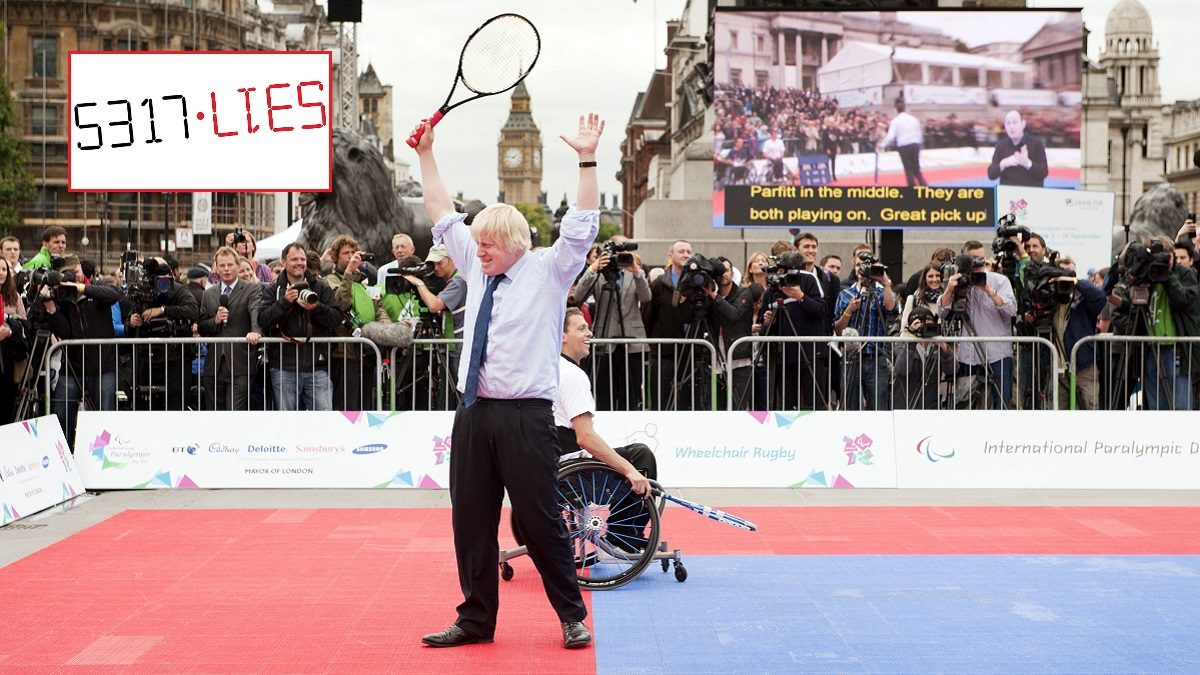
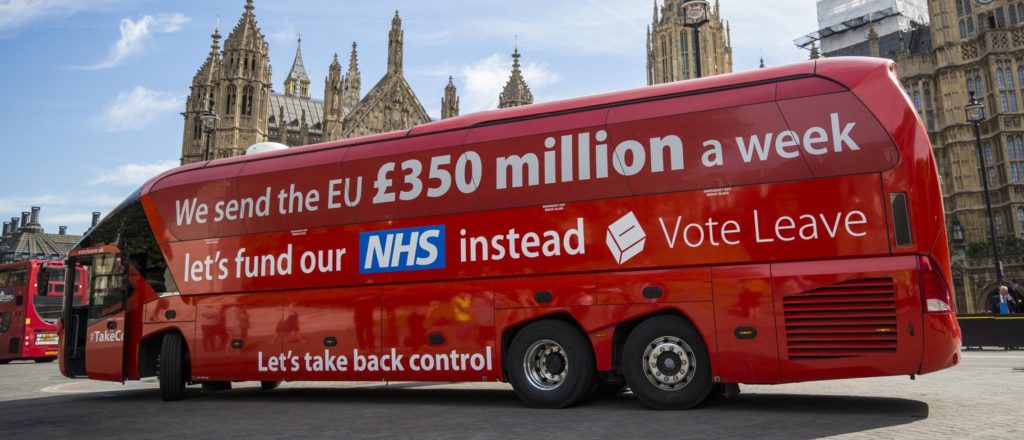
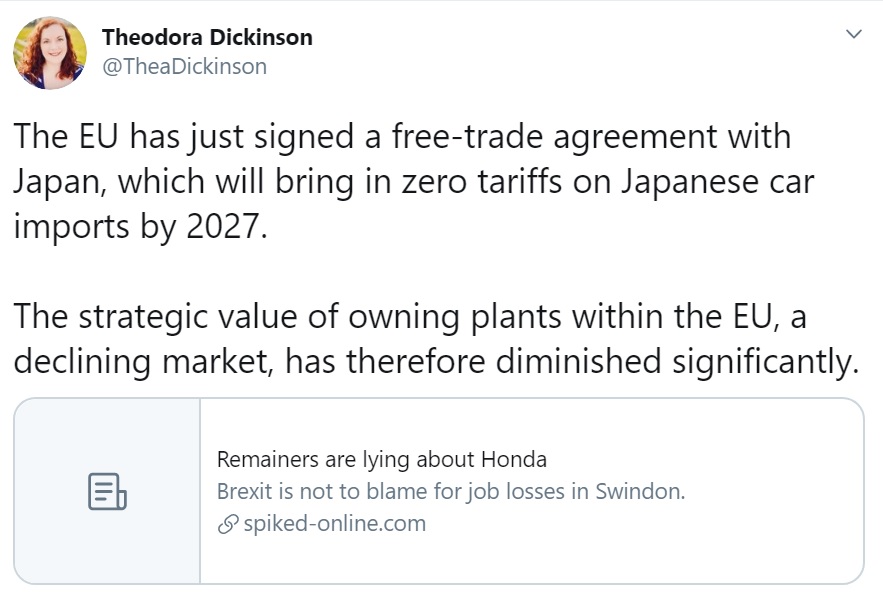
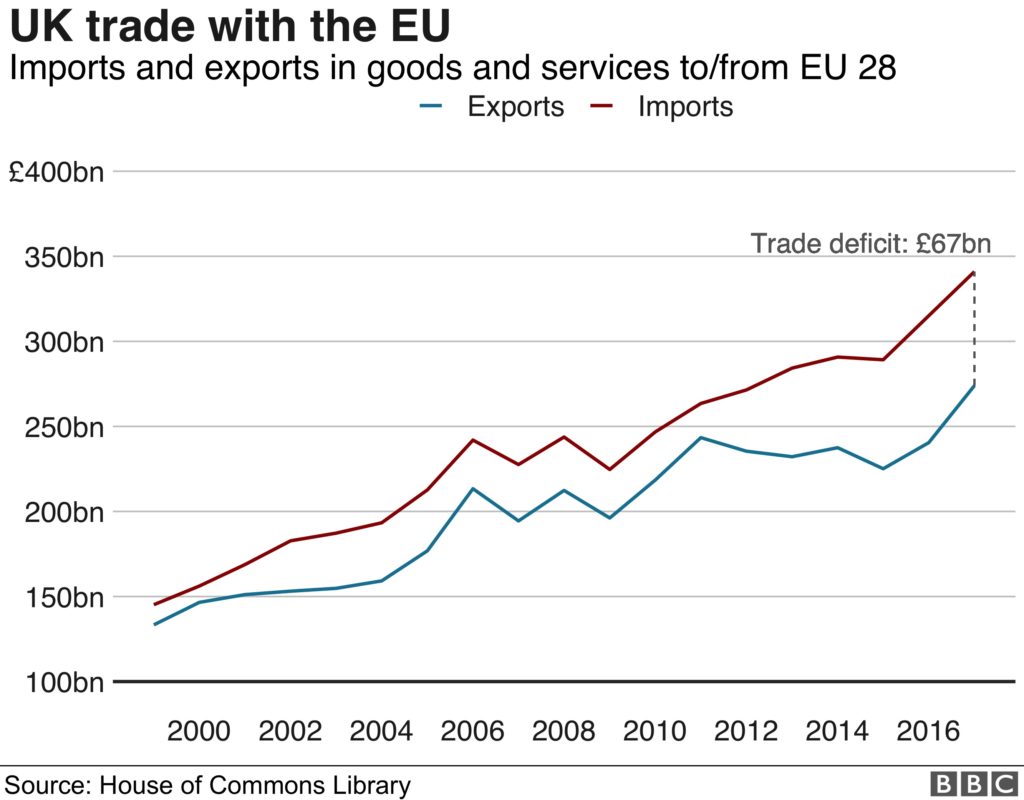
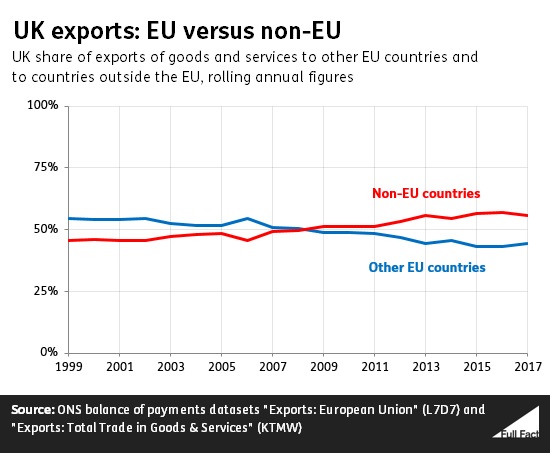
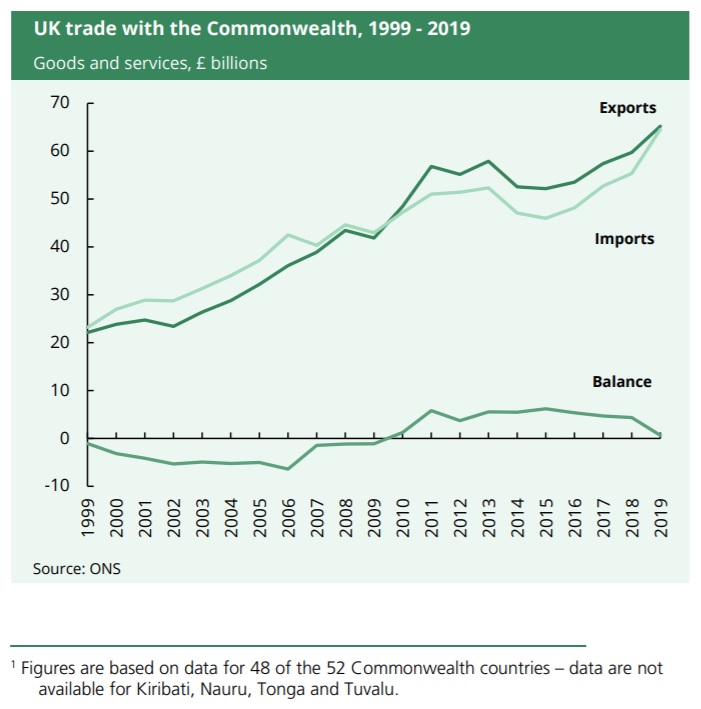
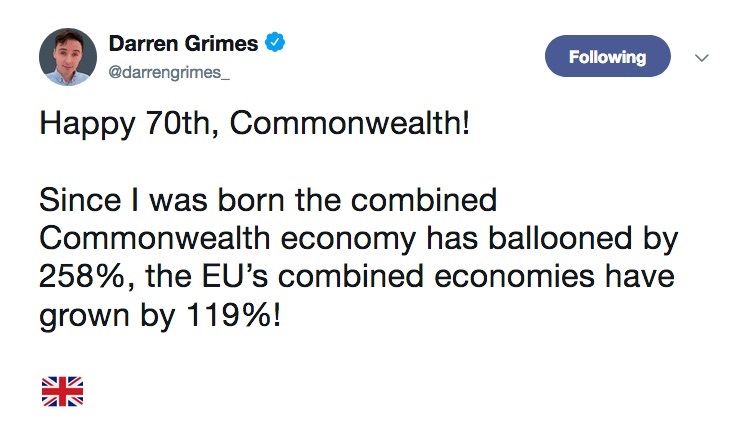
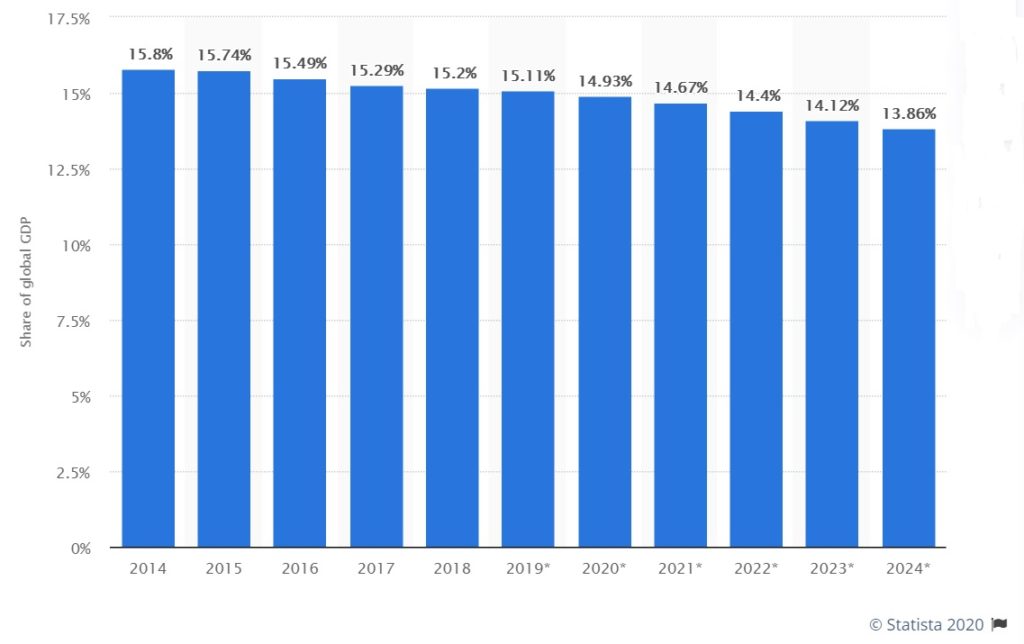


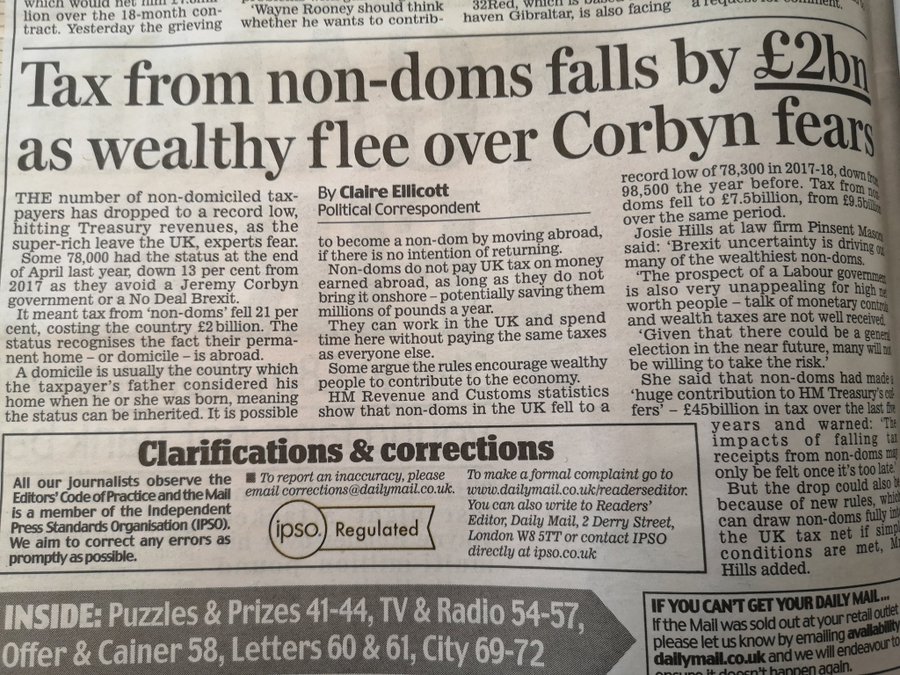
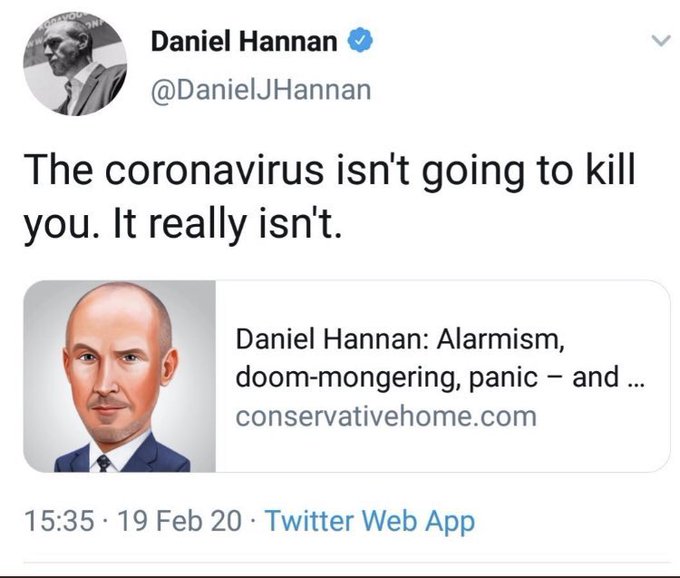
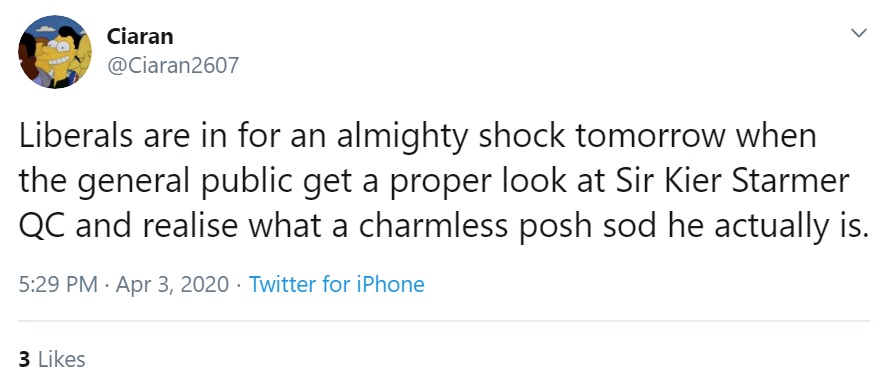


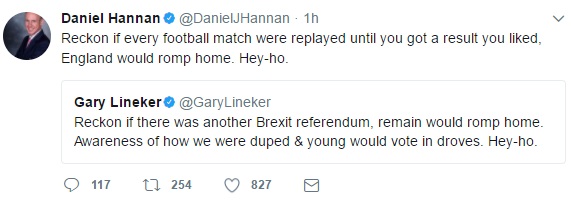
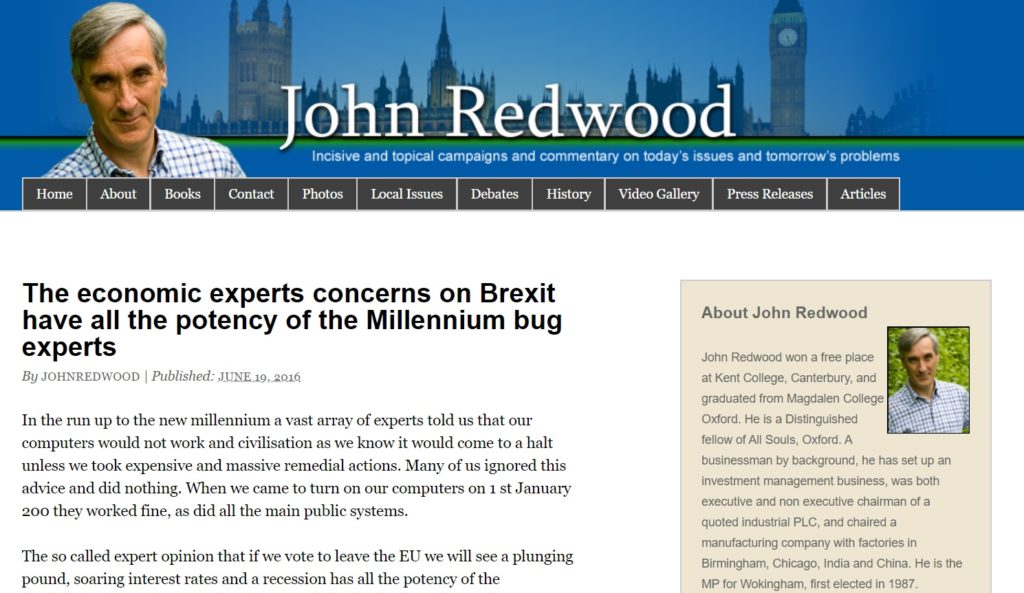
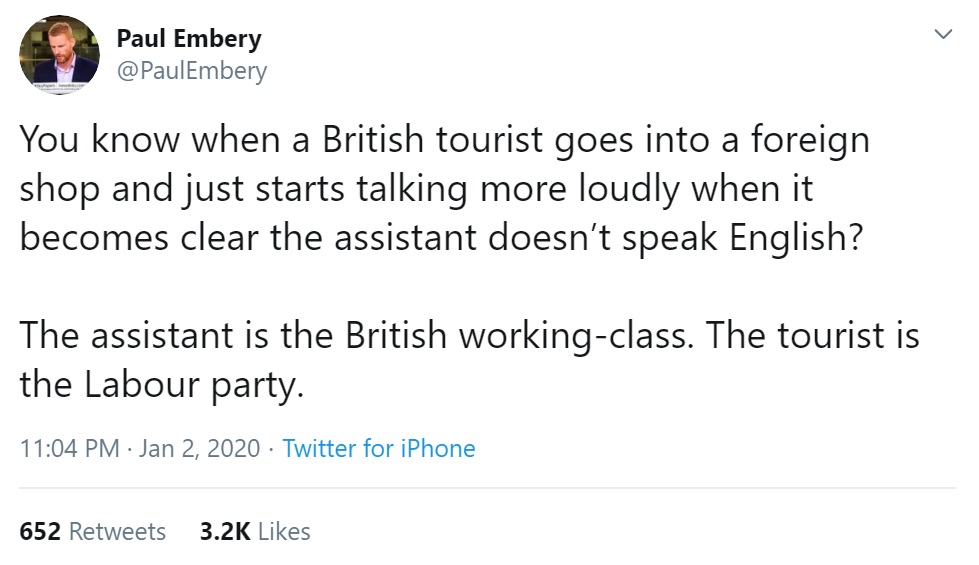
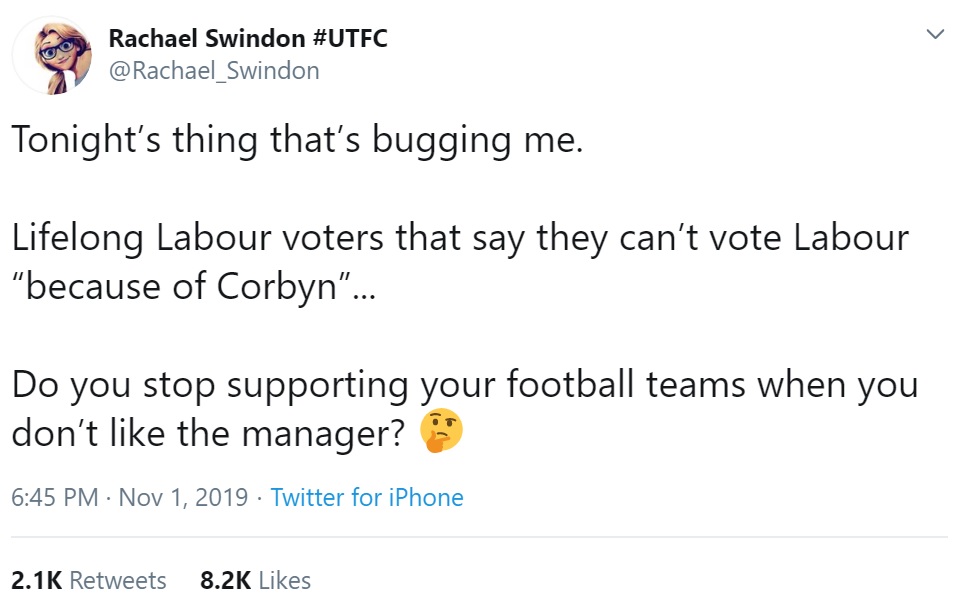
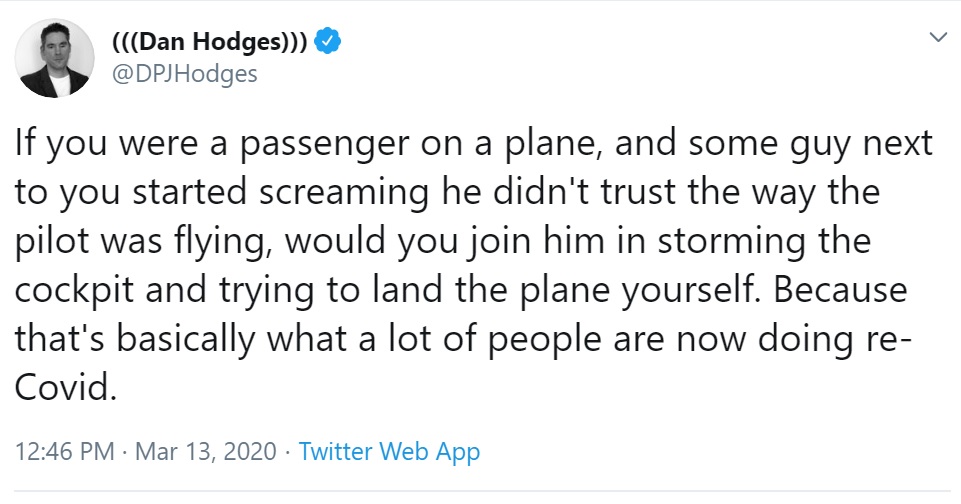
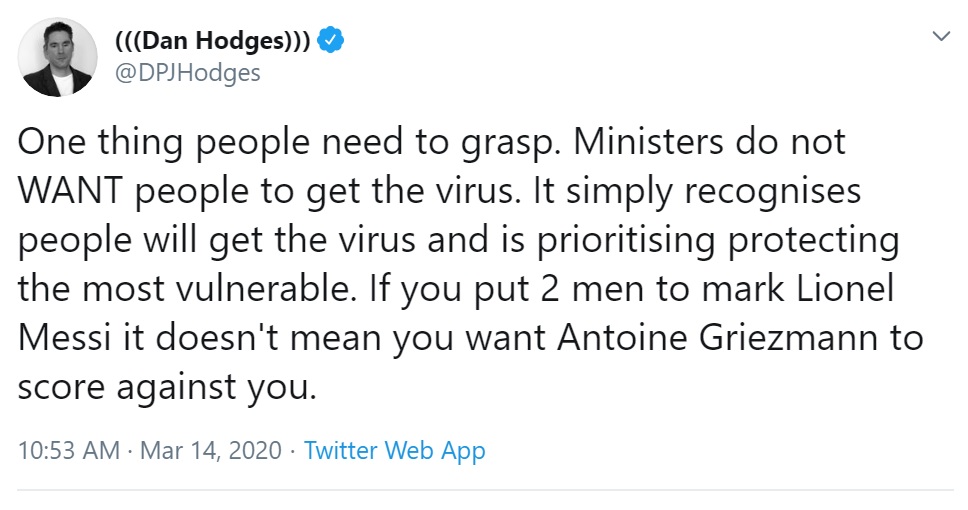
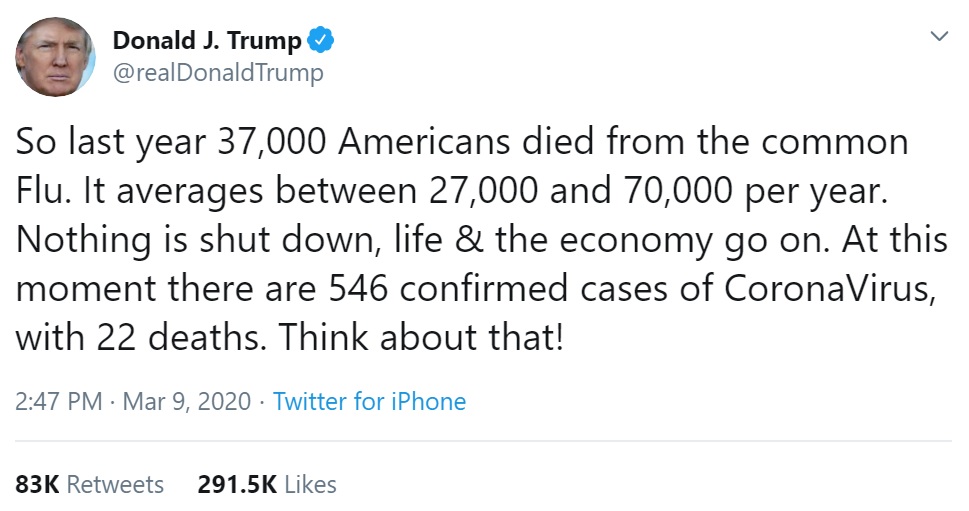
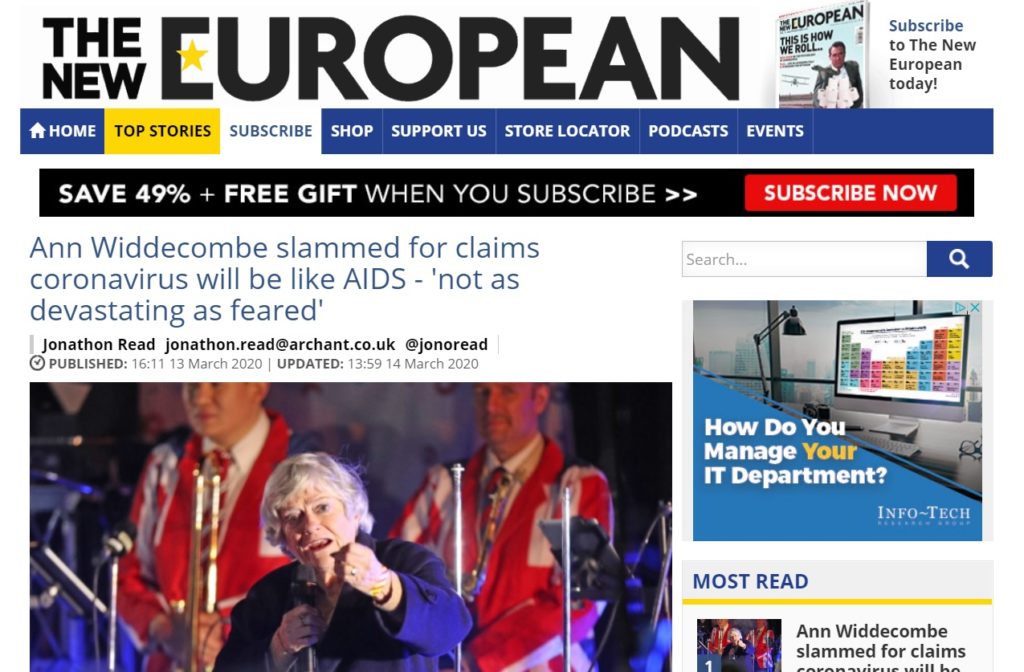
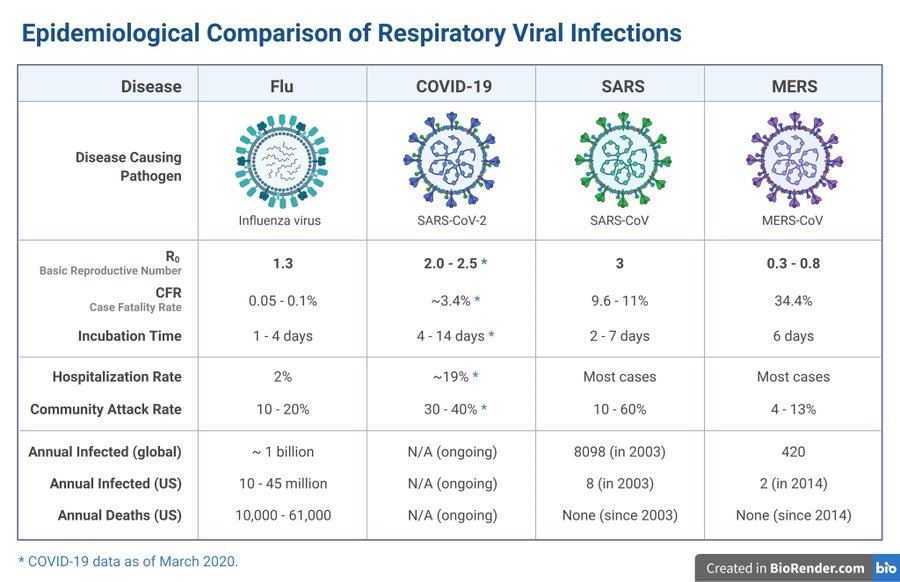
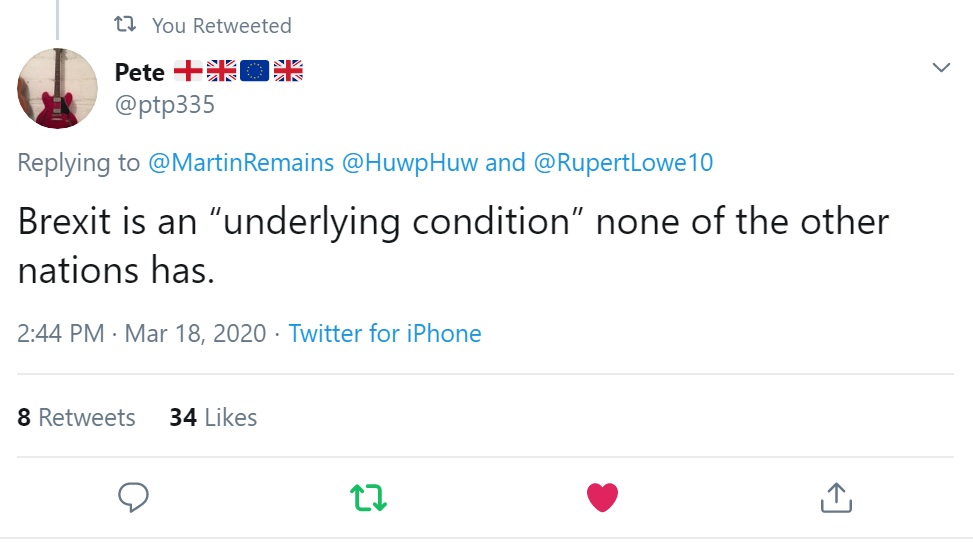

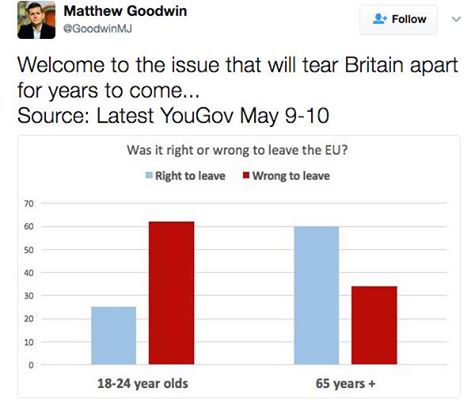
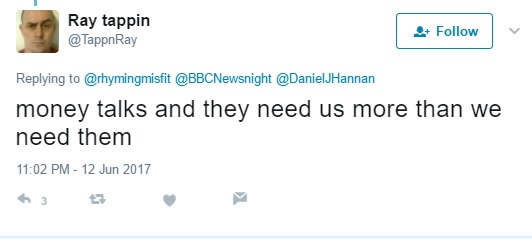
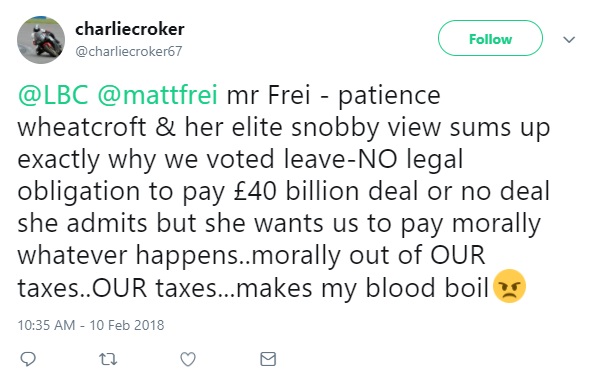 (What they’re really doing here, of course, apart from flailing pathetically, is attempting to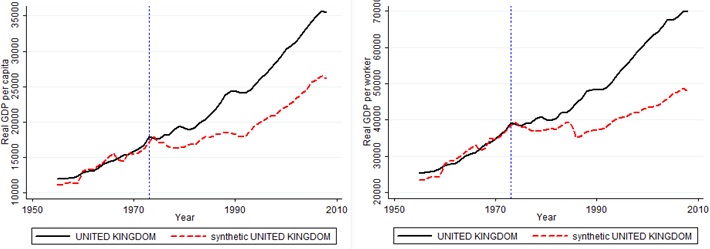
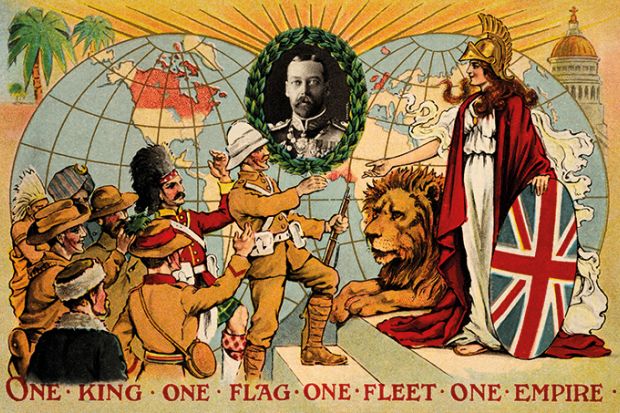
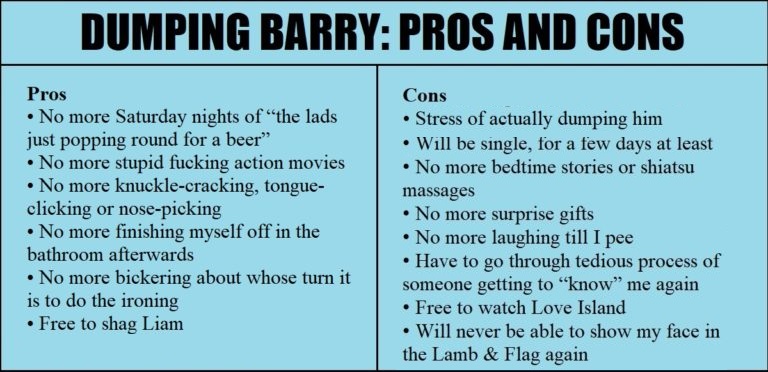
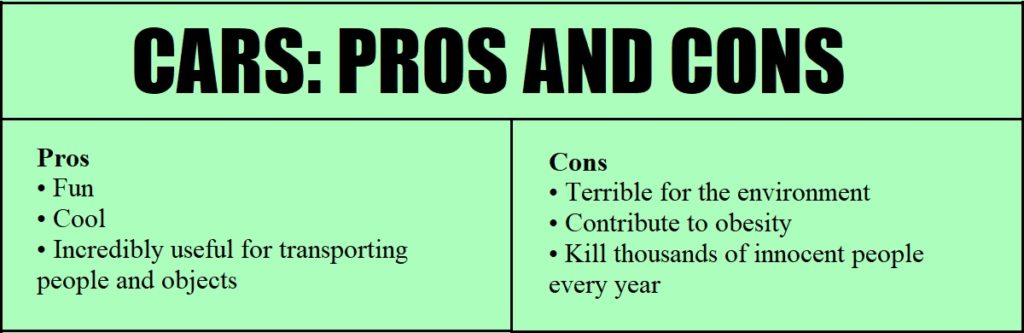
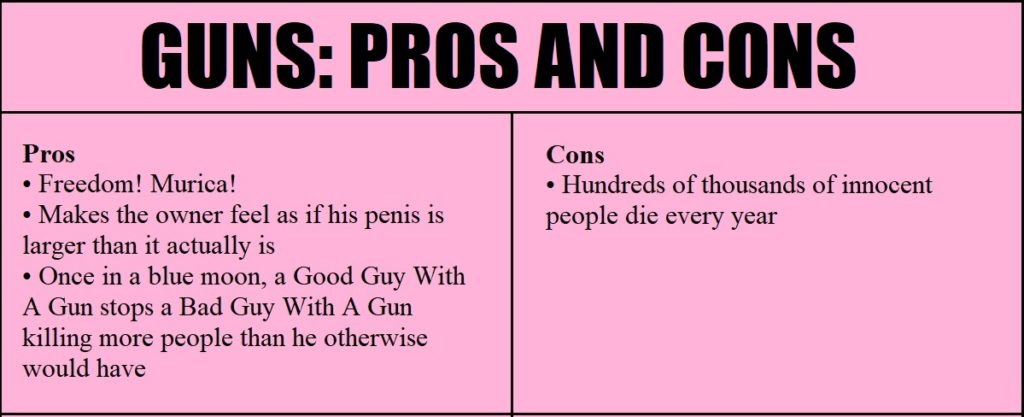
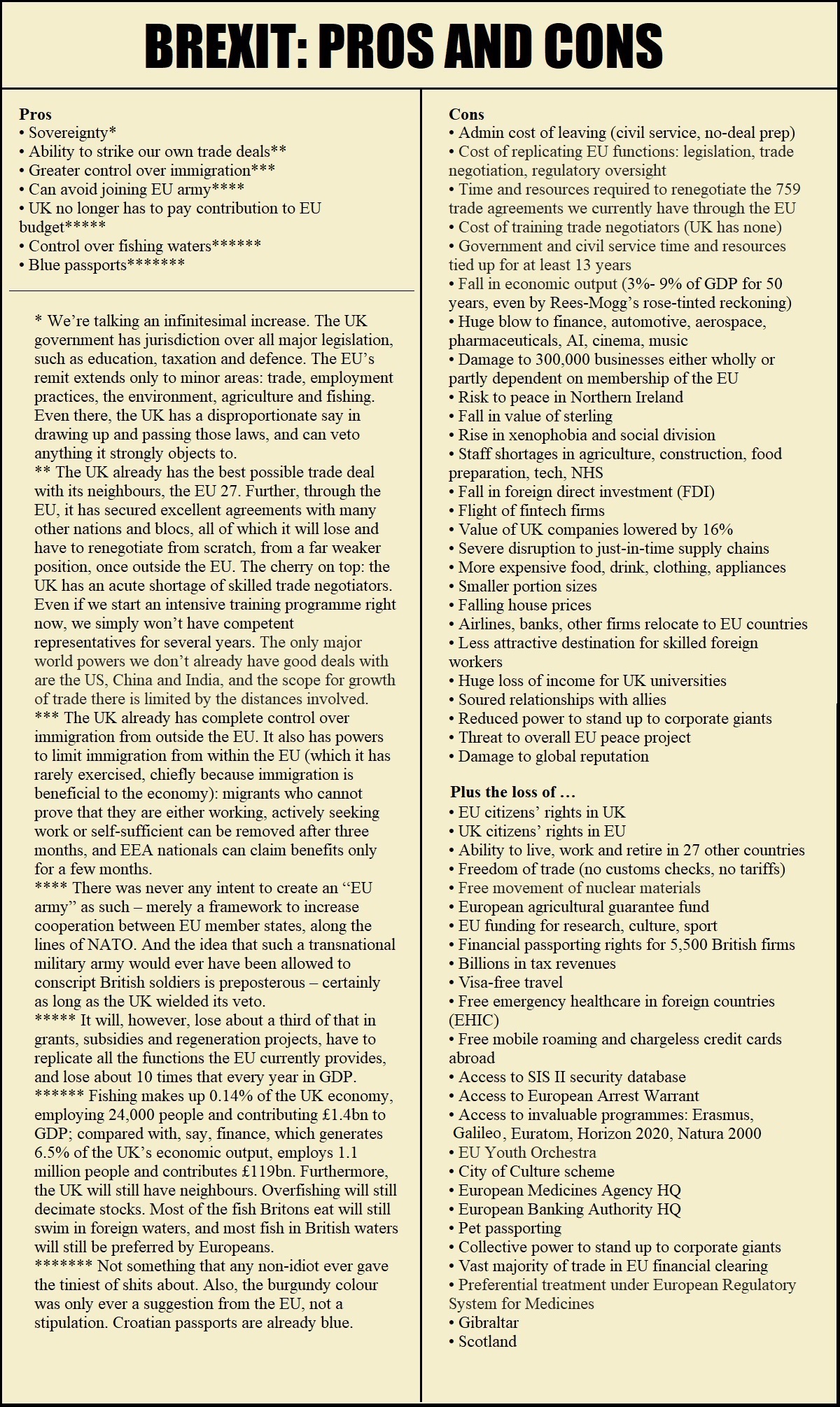
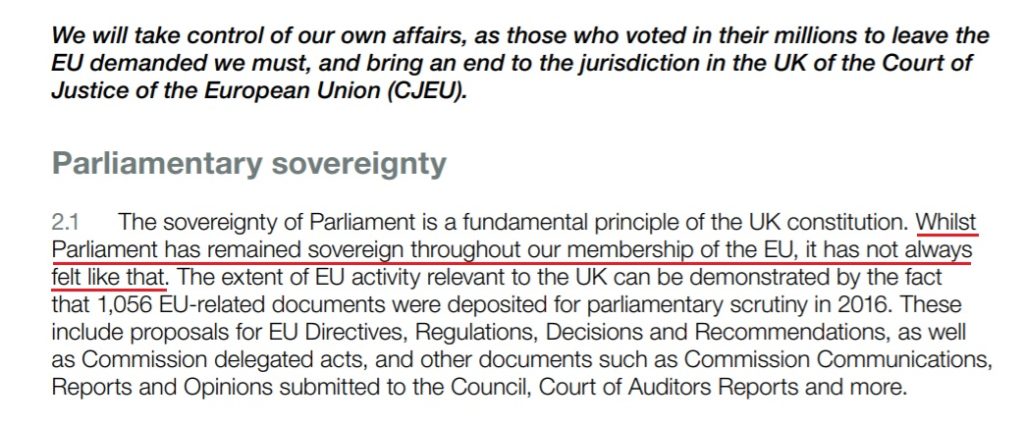
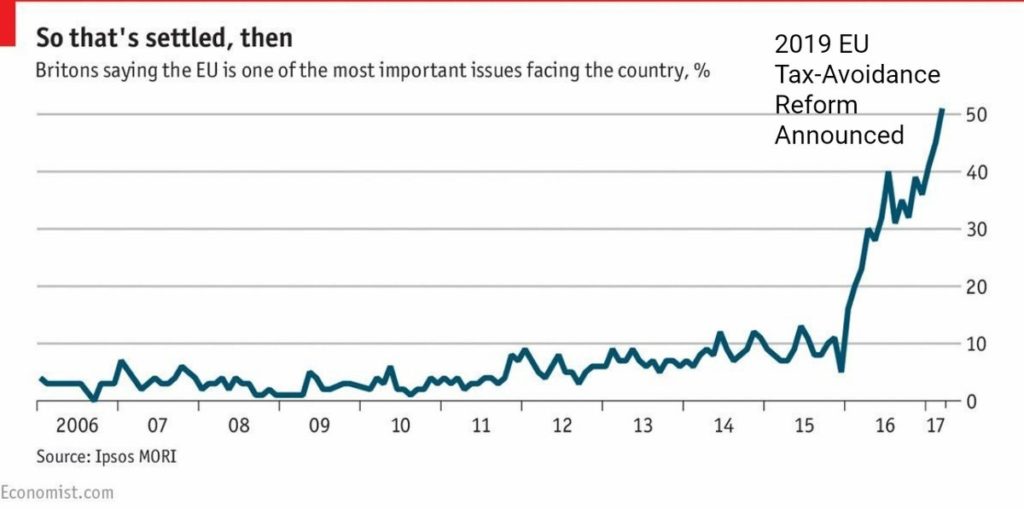
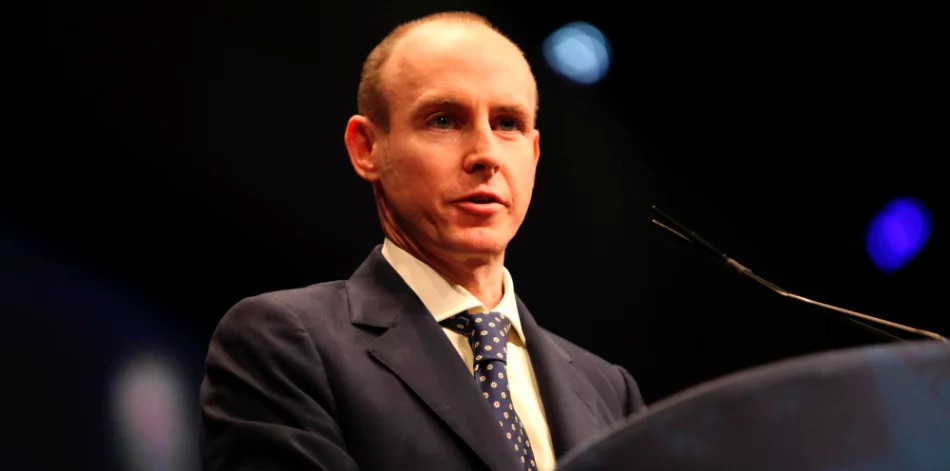

 1. “Love Europe, hate the EU. Know nothing about either.”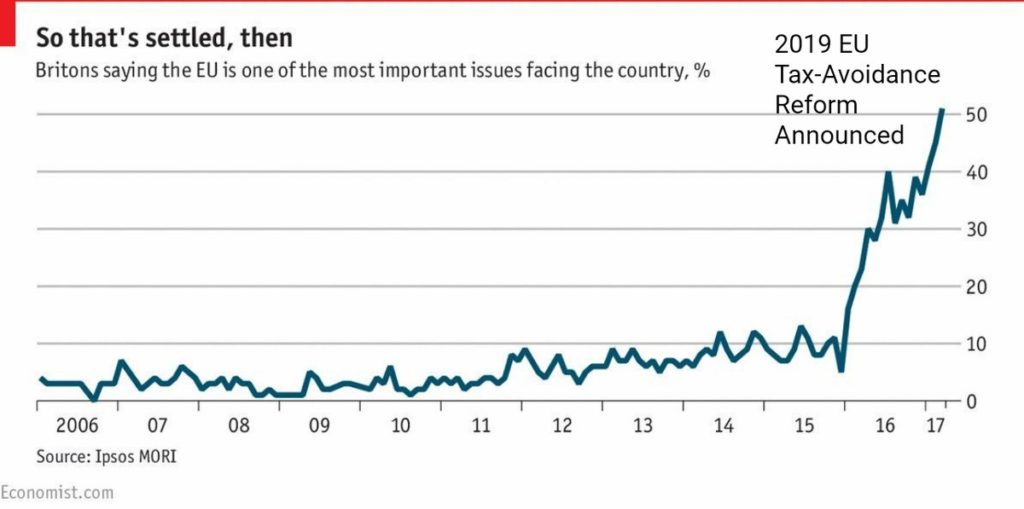
 A world without pronouns would be a tedious one. “Bryan Fielding was an ordinary man. Bryan Fielding did not think of Bryan Fielding as an ordinary man, but Bryan Fielding most certainly was.” Pronouns save us time by avoiding the need to spell out the objects of our utterances in full at every mention.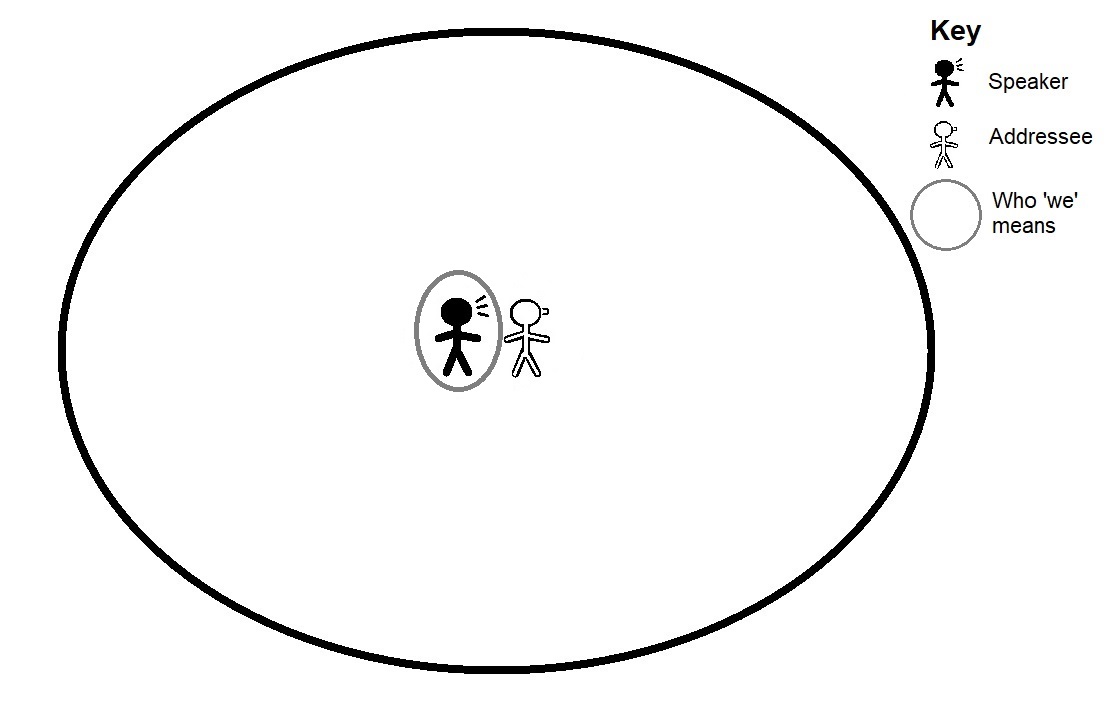
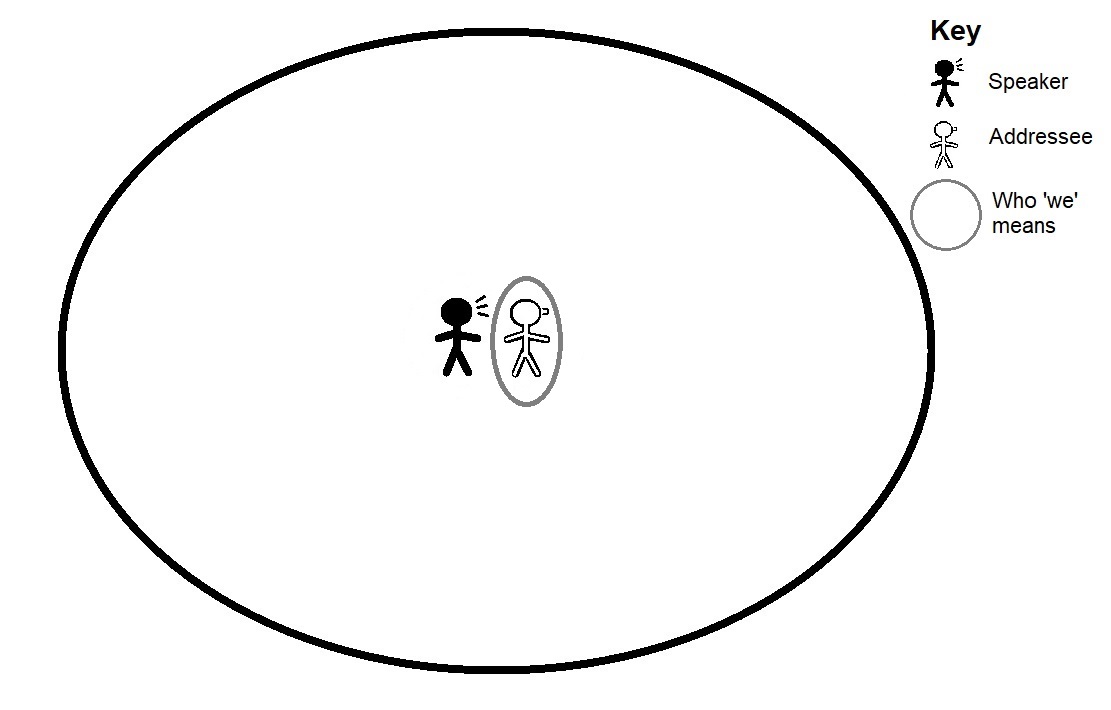
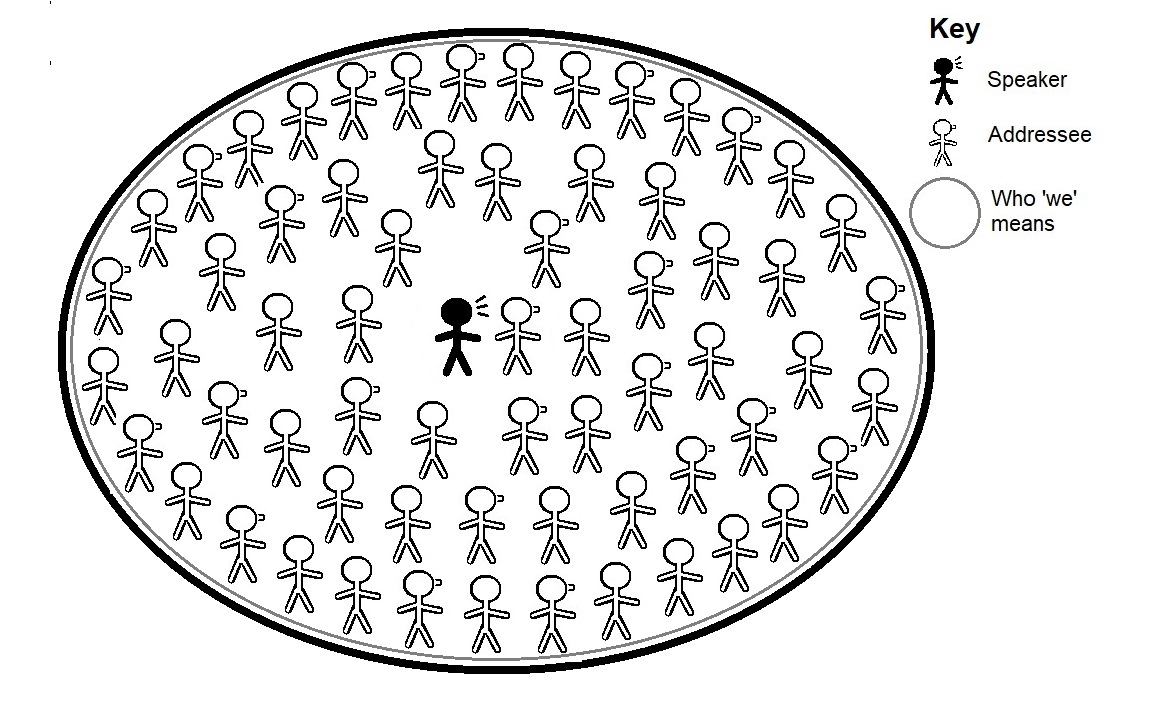
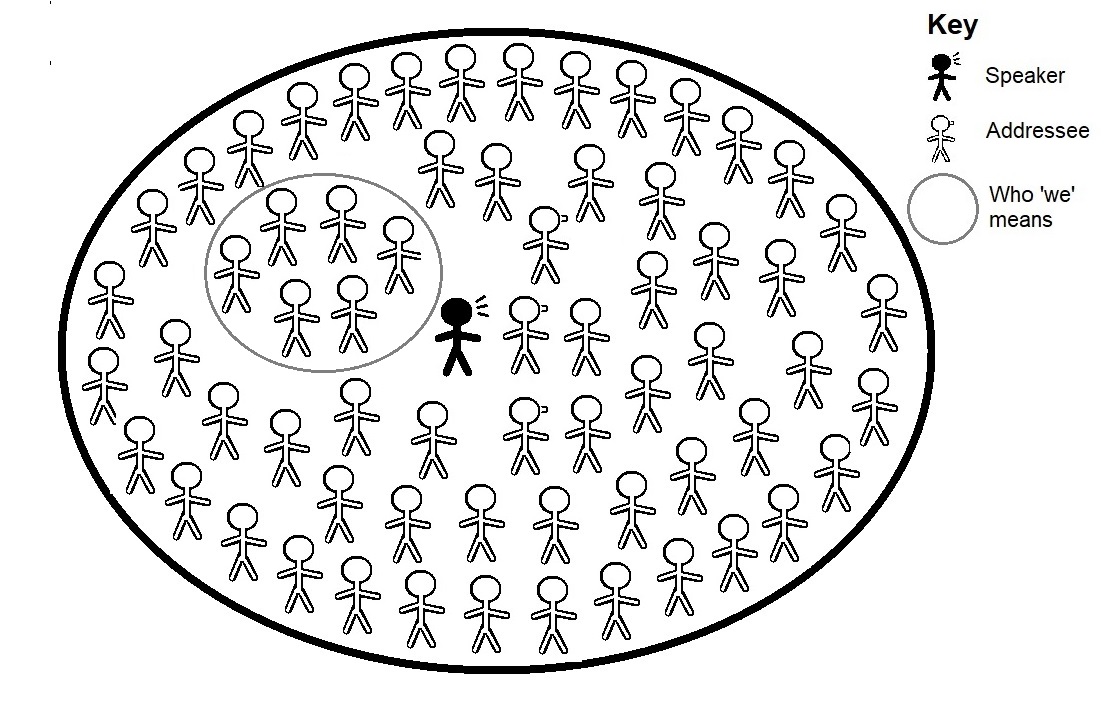 In the above cases, the referents of “we” are generally very clear (while the first two cases are a little odd, they are agreed by longstanding convention). There’s no potential disparity between who they actually mean when they say “we” and who you understand them to mean.
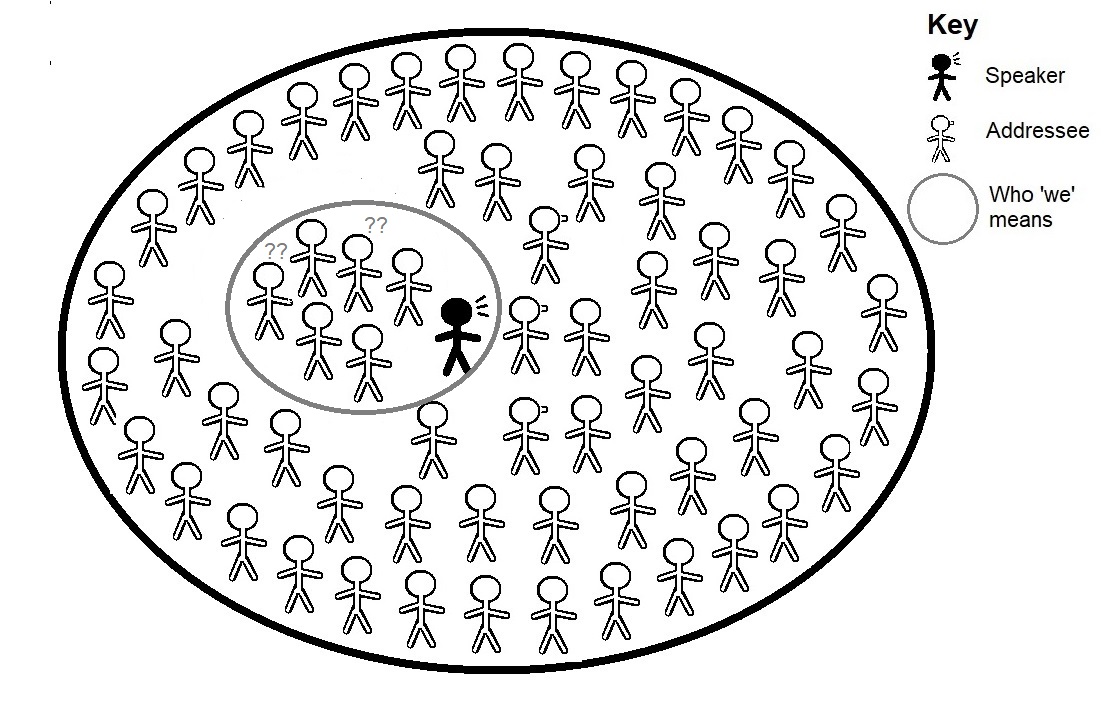 The speaker presumes to speak on behalf of all members of a group, when in fact their view may not be universal or even widespread.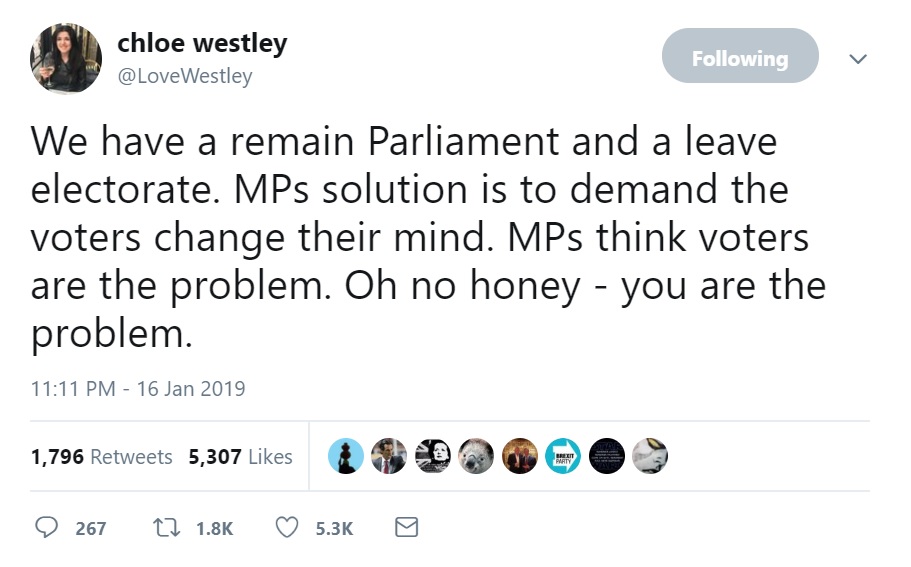
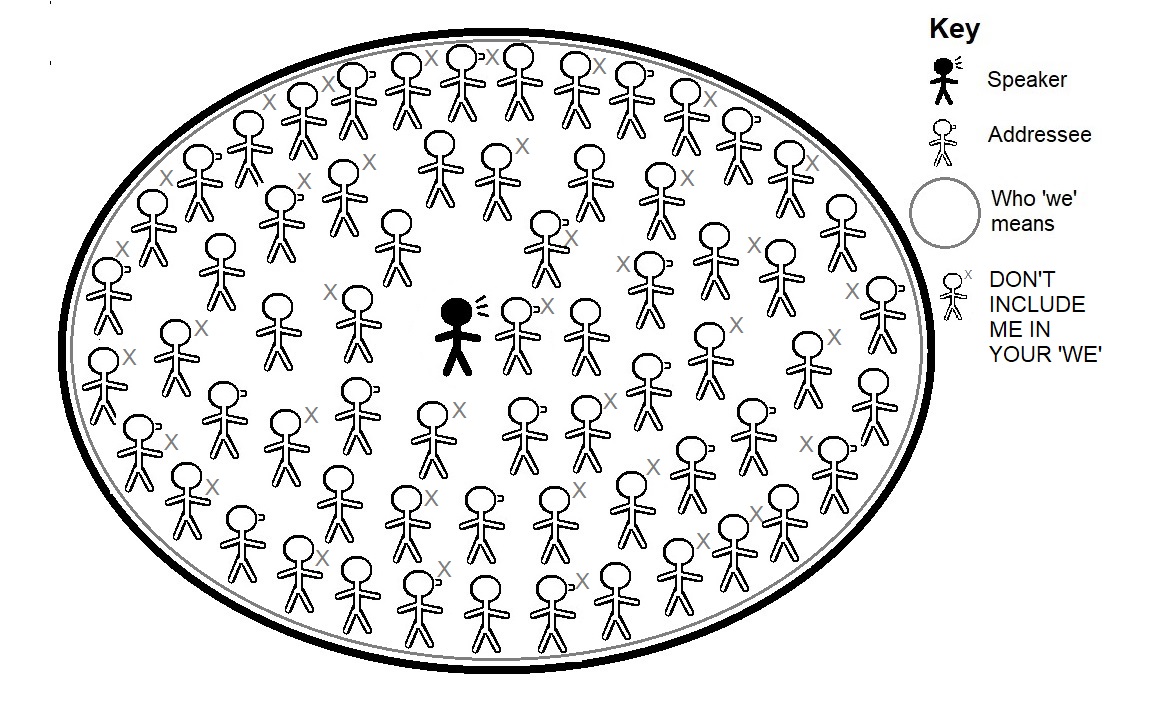 An intimidatory “we” similar to No 10, and a favoured tool of the Brexit voter. There’s a huge and important disjunction here between who the speaker intends us to picture, and who they actually mean. In this case, the intent is to give the impression that the United Kingdom voted as one unit to leave the European Union, when in reality, only 17.4 million people, or 26% of the population, did.